6 Stunning Plus Size Outfits That'll Boost Your Confidence (And Turn Heads!)
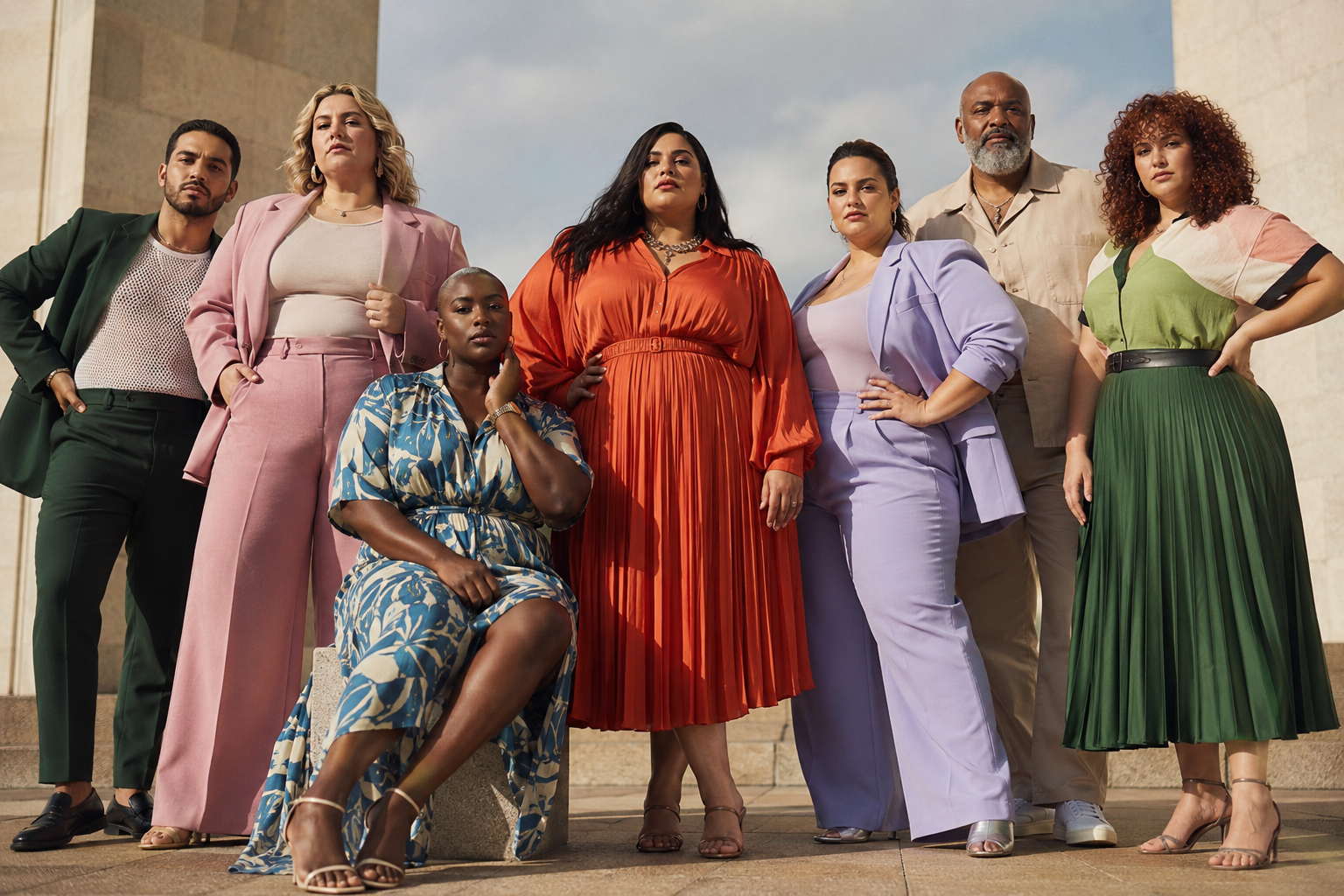
Confidence cannot be guaranteed by a blazer, dress, or waistband—and it should never be a requirement for getting dressed. What an outfit can do is support comfort, movement, self-expression, and the amount of visual attention you want that day. These six plus-size formulas use proportion as a creative tool, not a set of rules for hiding a body. Keep what feels useful, reject what does not, and prioritize fit across seated and standing positions.
Key Takeaways
- Start with clothes you already own and one clear styling goal.
- Test movement, comfort, and care needs before committing.
- Use proportion, color, and texture as options rather than body rules.
- Prefer reversible experiments before permanent alterations.
- Buy only when a piece fills a real wardrobe role.
1. A Column of Color With a Structured Outer Layer
The Style Idea
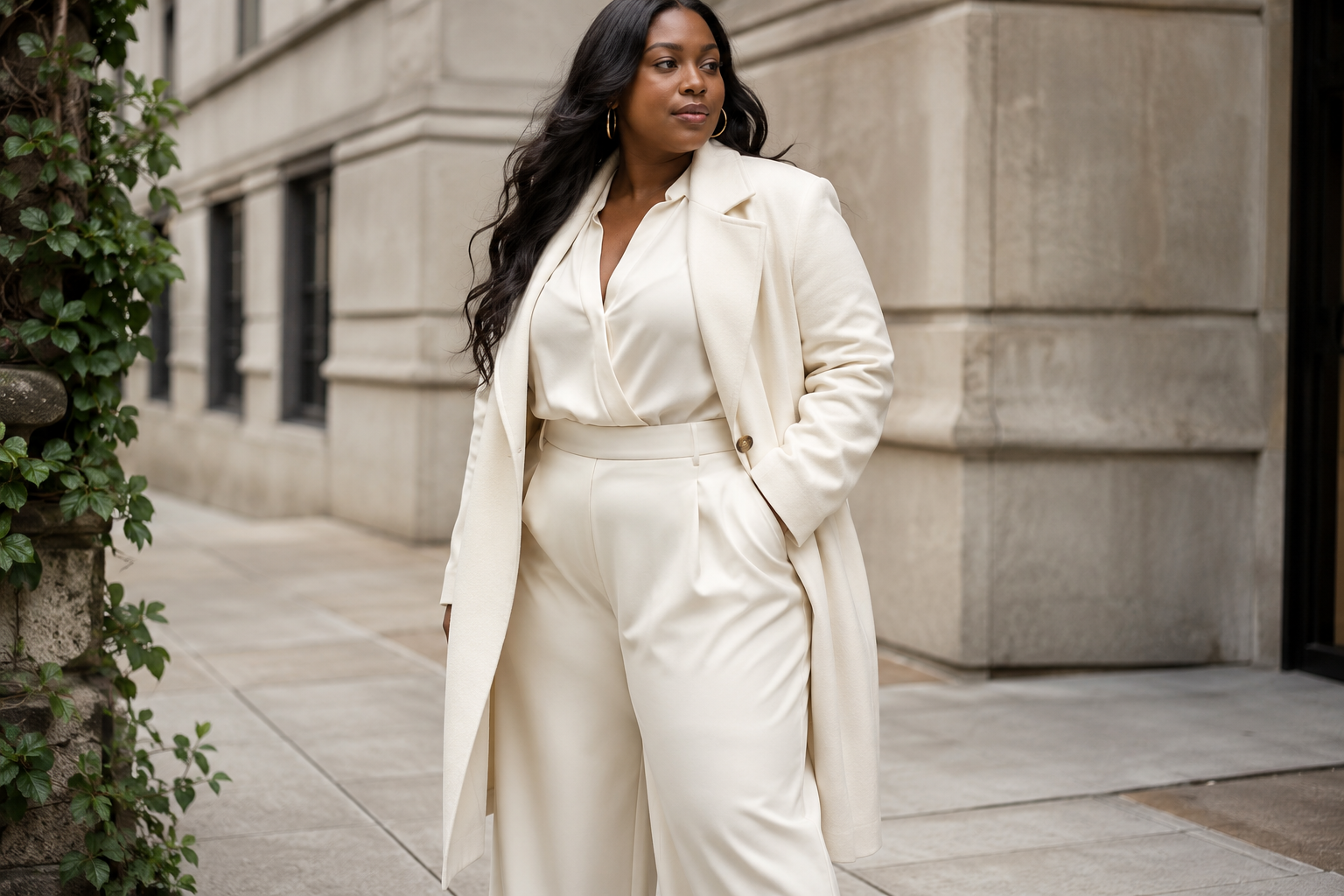
Choose a top and bottom in related tones, then add a jacket, vest, or long cardigan with enough structure to hold its line. The uninterrupted base makes accessories and texture easy to change, while the outer layer creates framing rather than concealment.
Make It Work in Real Life
Match undertones instead of chasing identical dye lots. Sit, reach, and close the layer; a strong shoulder should not mean restricted arms.
Try This Before You Buy
Build the look with the closest pieces you already own, then take front, side, and seated photos in natural light. Notice comfort, fabric behavior, pocket placement, and whether the combination survives your normal shoes and outerwear. If a gap remains after two real wears, write the exact requirement—color, measurement, material, and care limit—before shopping.
Styling Note
Personal style is not a correction exercise. Adjust the idea for sensory comfort, mobility, climate, workplace expectations, and the amount of attention you enjoy. A successful version should feel recognizable as yours, not like an obligation to reproduce a photograph.
2. High-Rise Wide-Leg Trousers With a Fitted Knit
The Style Idea
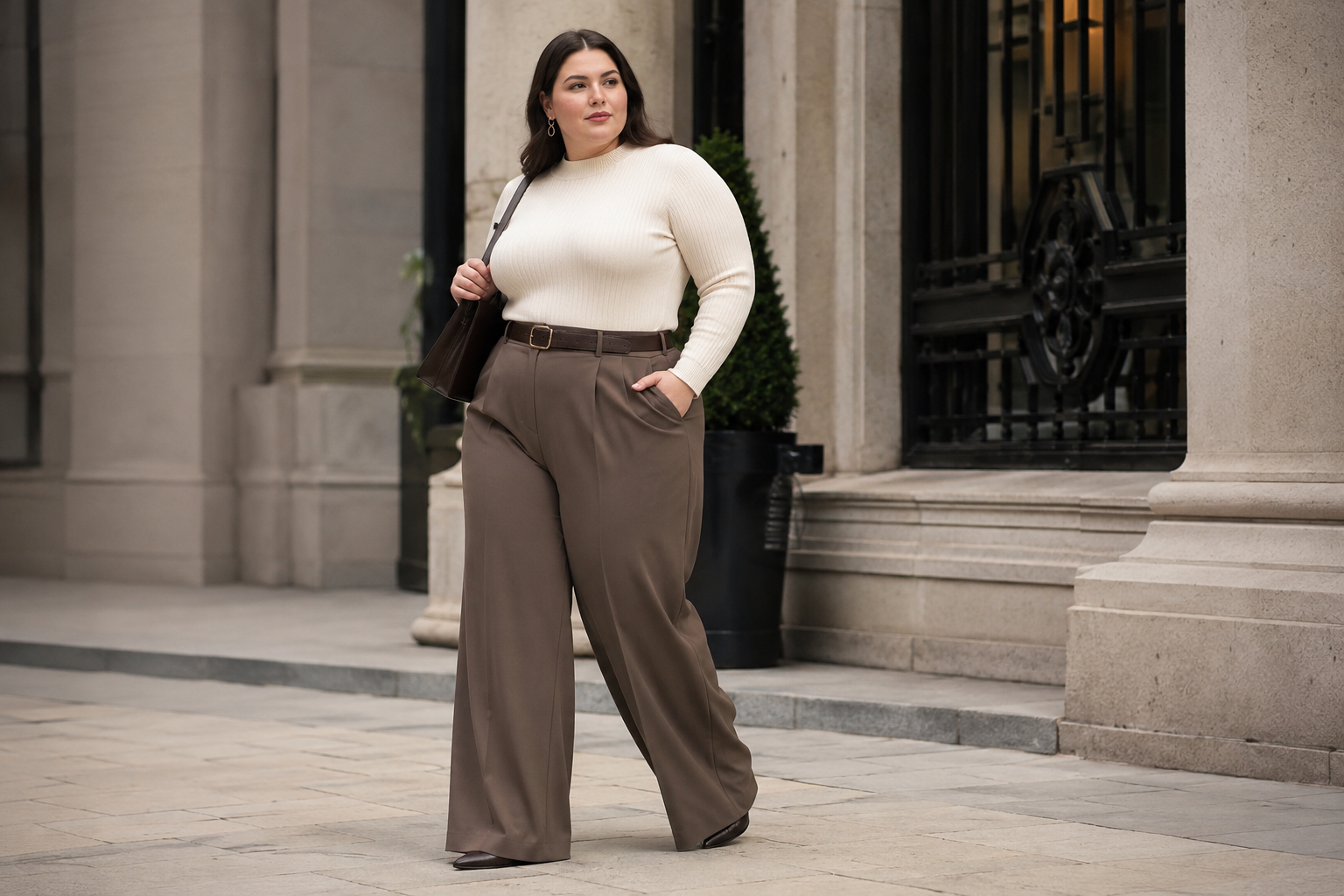
A fitted—but not restrictive—knit defines the waistline of voluminous trousers, while a full tuck or short top reveals the rise. Look for a waistband that stays comfortable when seated and a hem that works with your most-worn shoes.
Make It Work in Real Life
If you prefer less definition, use a soft half-tuck or add an open shirt. The point is a readable proportion, not making the body appear smaller.
Try This Before You Buy
Build the look with the closest pieces you already own, then take front, side, and seated photos in natural light. Notice comfort, fabric behavior, pocket placement, and whether the combination survives your normal shoes and outerwear. If a gap remains after two real wears, write the exact requirement—color, measurement, material, and care limit—before shopping.
Styling Note
Personal style is not a correction exercise. Adjust the idea for sensory comfort, mobility, climate, workplace expectations, and the amount of attention you enjoy. A successful version should feel recognizable as yours, not like an obligation to reproduce a photograph.
3. A Wrap-Style Midi Dress With Statement Boots
The Style Idea
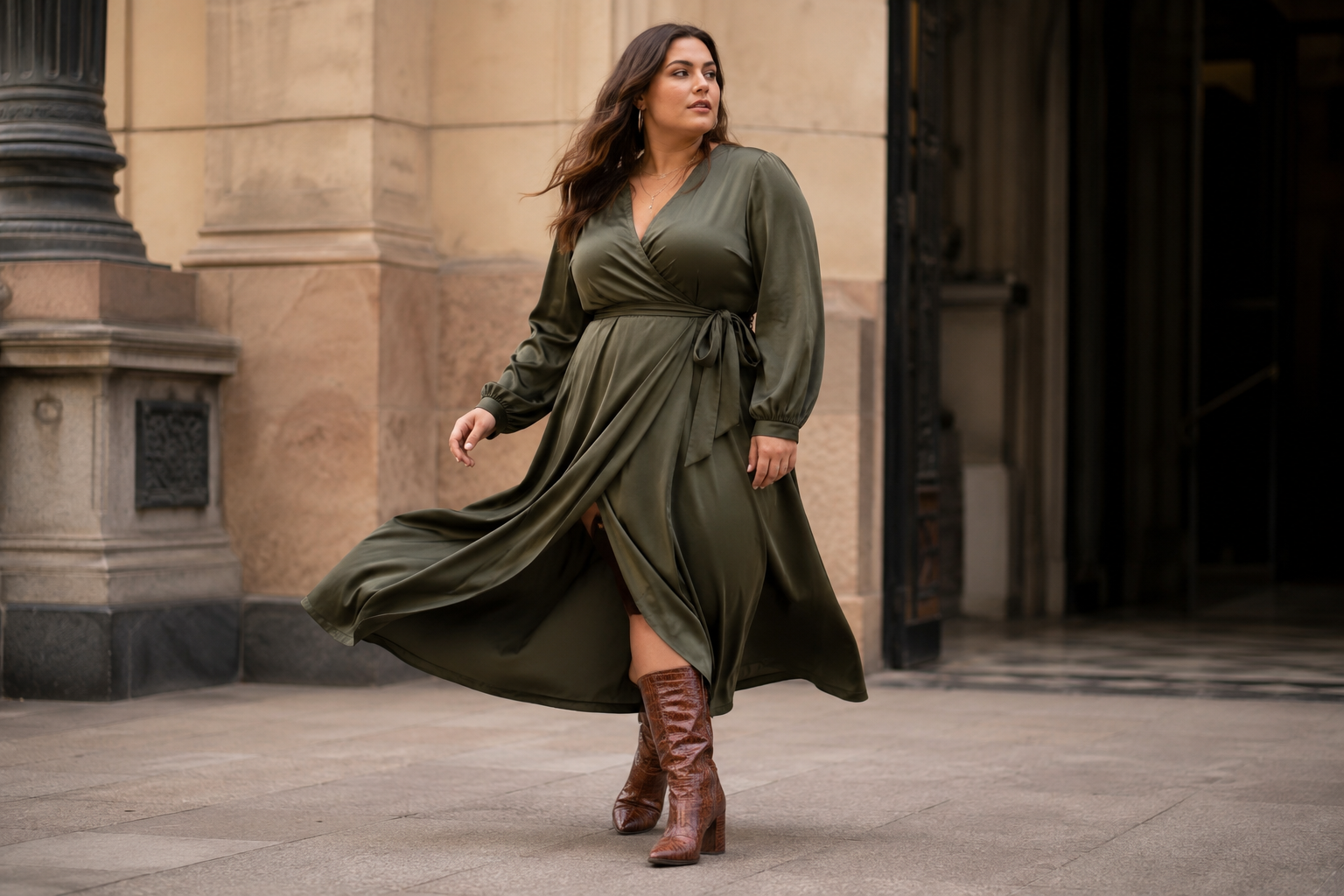
A wrap or faux-wrap midi creates adjustable visual movement, and boots add stability and personality. Check neckline coverage, tie security, skirt overlap, and whether the fabric returns to place after sitting.
Make It Work in Real Life
A faux wrap may be easier on windy days. Add a camisole or discreet snap only if you want it; styling should serve your comfort rather than enforce modesty.
Try This Before You Buy
Build the look with the closest pieces you already own, then take front, side, and seated photos in natural light. Notice comfort, fabric behavior, pocket placement, and whether the combination survives your normal shoes and outerwear. If a gap remains after two real wears, write the exact requirement—color, measurement, material, and care limit—before shopping.
Styling Note
Personal style is not a correction exercise. Adjust the idea for sensory comfort, mobility, climate, workplace expectations, and the amount of attention you enjoy. A successful version should feel recognizable as yours, not like an obligation to reproduce a photograph.
4. A Relaxed Suit Over a Sleek Base
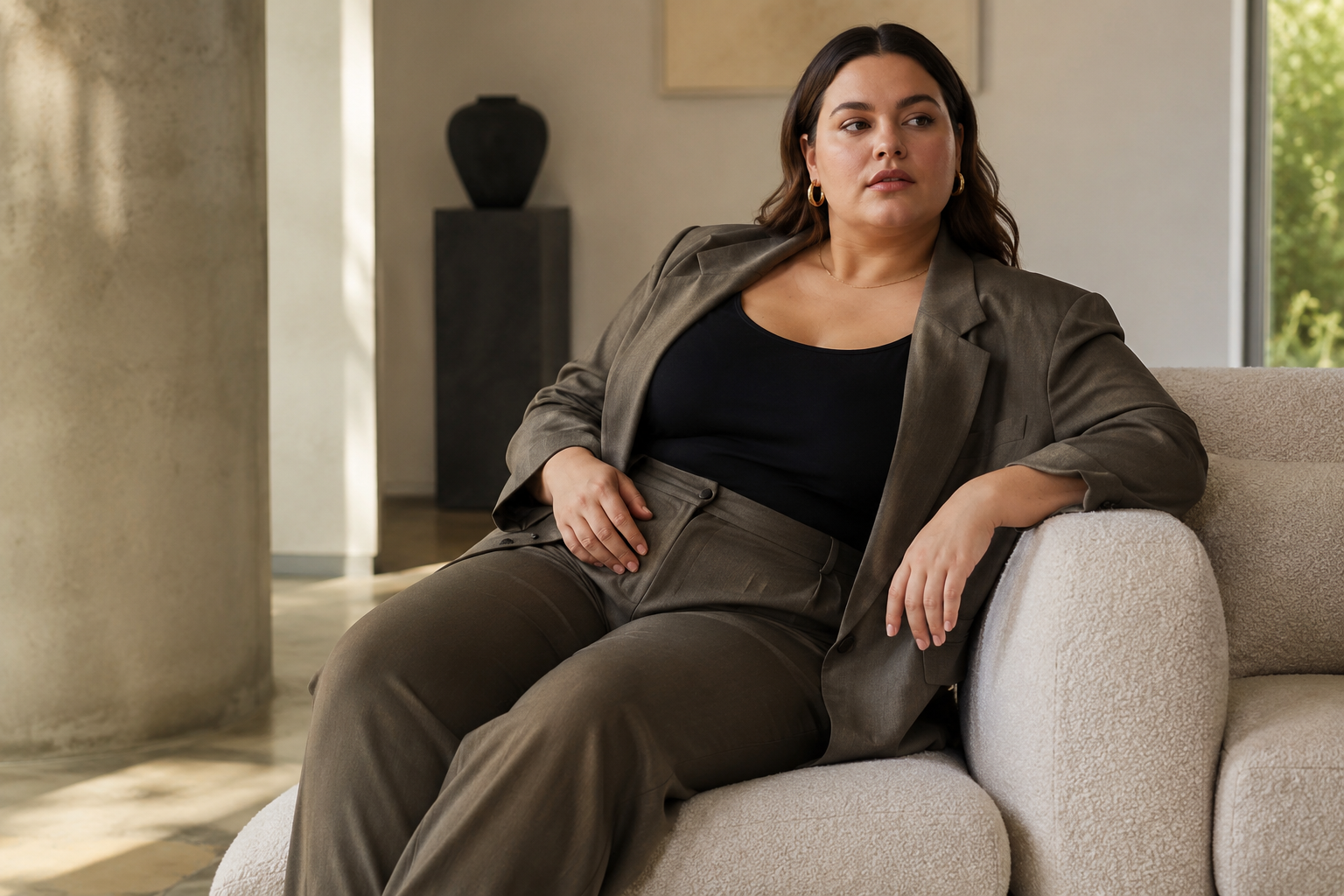
The Style Idea
A relaxed suit becomes versatile over a bodysuit, tank, fine knit, or tee. Choose the jacket first for shoulder and upper-arm mobility, then tailor sleeve and trouser lengths if needed. Monochrome looks sleek; contrast separates the pieces for everyday wear.
Make It Work in Real Life
Do not settle for pulling or pocket gaping. Sizing up and tailoring selected areas can be more successful than expecting one standardized size to fit every part.
Try This Before You Buy
Build the look with the closest pieces you already own, then take front, side, and seated photos in natural light. Notice comfort, fabric behavior, pocket placement, and whether the combination survives your normal shoes and outerwear. If a gap remains after two real wears, write the exact requirement—color, measurement, material, and care limit—before shopping.
Styling Note
Personal style is not a correction exercise. Adjust the idea for sensory comfort, mobility, climate, workplace expectations, and the amount of attention you enjoy. A successful version should feel recognizable as yours, not like an obligation to reproduce a photograph.
5. A Fluid Midi Skirt With a Tucked Tee and Cropped Jacket
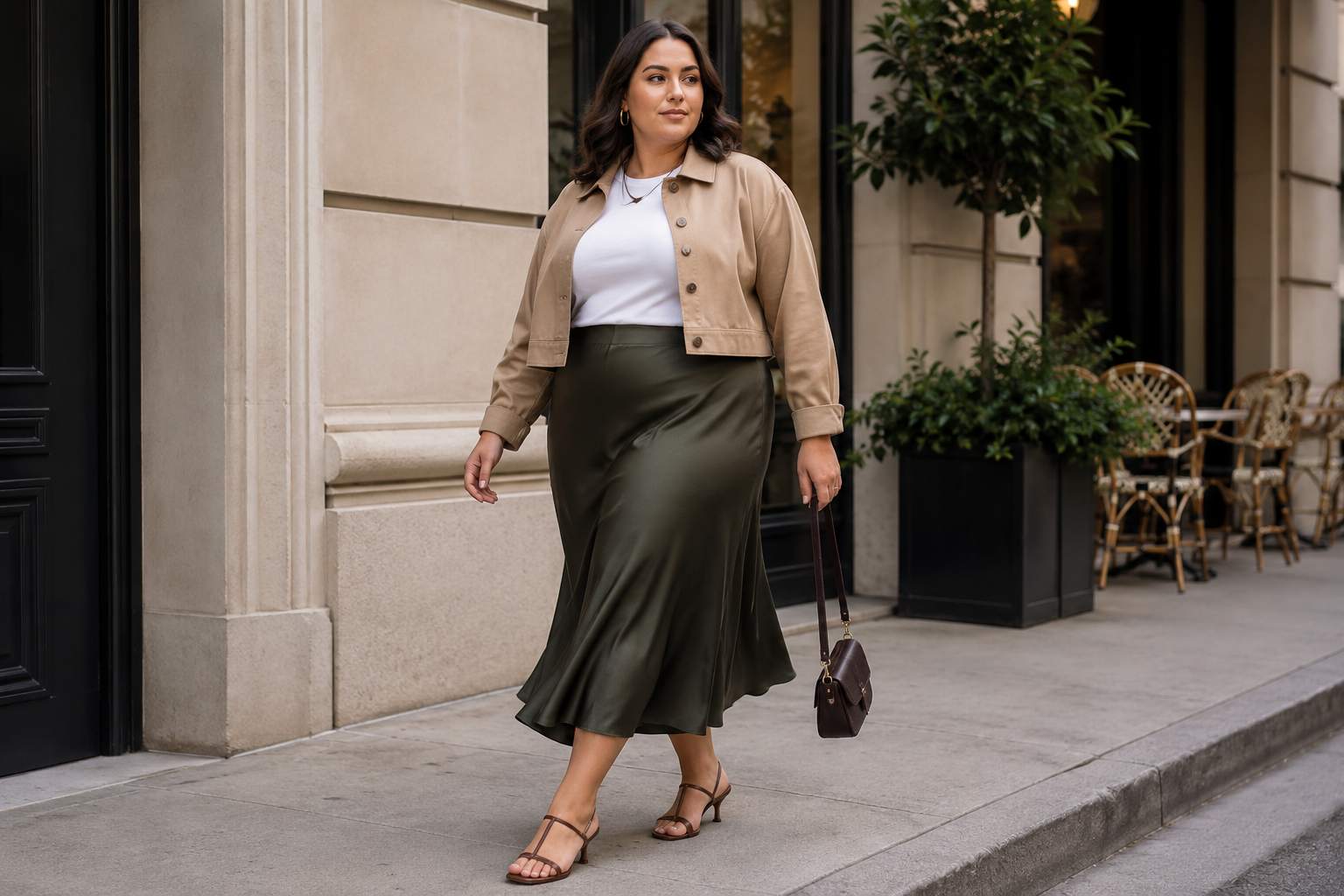
The Style Idea
A fluid skirt brings movement, a tucked tee keeps the center easy, and a cropped jacket changes the visual break without needing a tight silhouette. Place the jacket hem where you enjoy it—in the waist area, high hip, or elsewhere.
Make It Work in Real Life
Try the formula with flat shoes and boots before buying anything new. Different shoe volume can change the outfit more than another top.
Try This Before You Buy
Build the look with the closest pieces you already own, then take front, side, and seated photos in natural light. Notice comfort, fabric behavior, pocket placement, and whether the combination survives your normal shoes and outerwear. If a gap remains after two real wears, write the exact requirement—color, measurement, material, and care limit—before shopping.
Styling Note
Personal style is not a correction exercise. Adjust the idea for sensory comfort, mobility, climate, workplace expectations, and the amount of attention you enjoy. A successful version should feel recognizable as yours, not like an obligation to reproduce a photograph.
6. Denim-on-Denim With Intentional Contrast
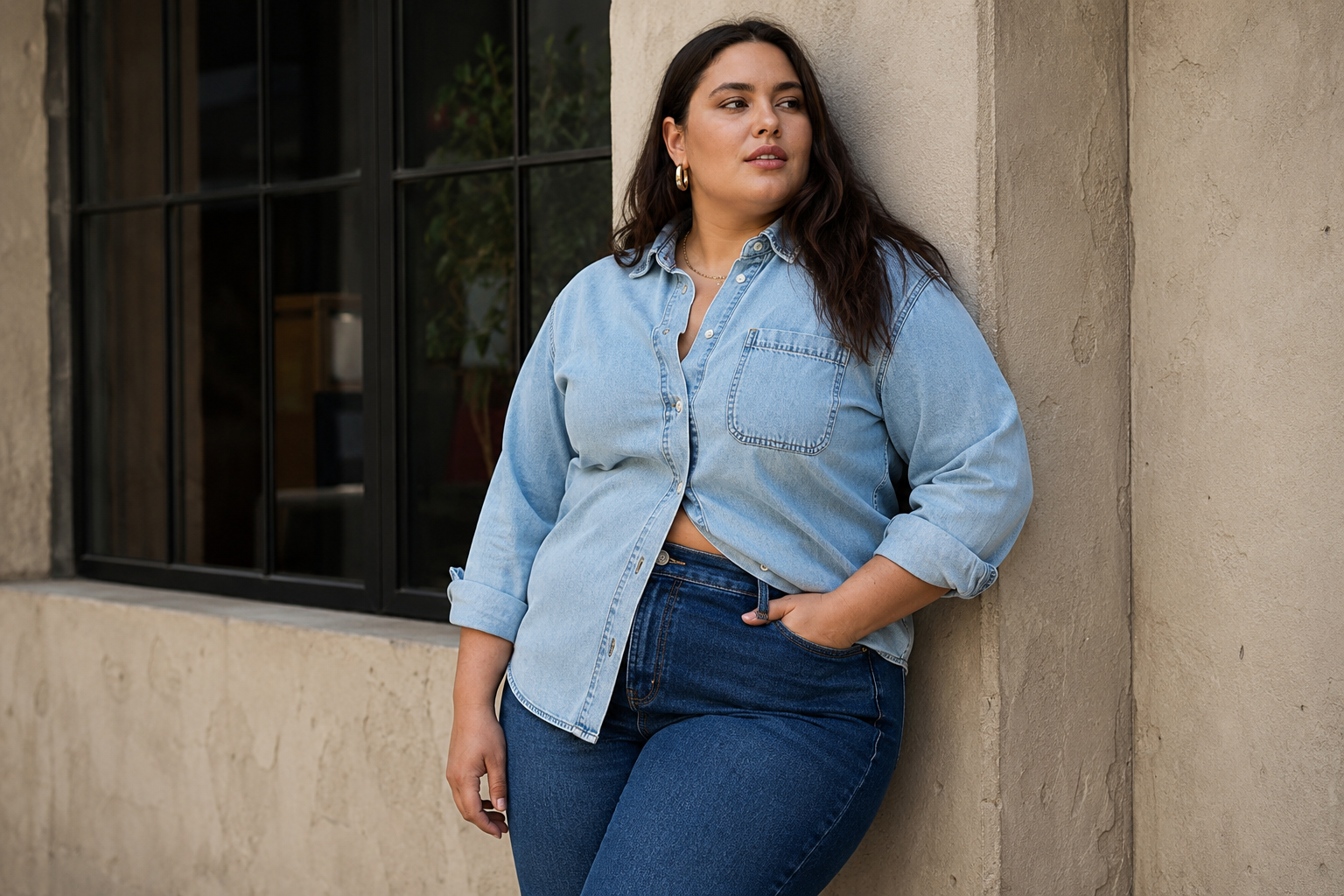
The Style Idea
Combine denim washes deliberately: a darker shirt with lighter jeans, matching indigo separated by a belt, or a faded jacket over a dark skirt. Varying weight and wash keeps the combination dimensional.
Make It Work in Real Life
Check dye transfer from dark denim and choose soft fabric at movement points. A tailored denim shirt can be worn closed, open, or tied loosely for three distinct proportions.
Try This Before You Buy
Build the look with the closest pieces you already own, then take front, side, and seated photos in natural light. Notice comfort, fabric behavior, pocket placement, and whether the combination survives your normal shoes and outerwear. If a gap remains after two real wears, write the exact requirement—color, measurement, material, and care limit—before shopping.
Styling Note
Personal style is not a correction exercise. Adjust the idea for sensory comfort, mobility, climate, workplace expectations, and the amount of attention you enjoy. A successful version should feel recognizable as yours, not like an obligation to reproduce a photograph.
Wardrobe Decision Guide
| Question | If yes | If no |
|---|---|---|
| Can I make three outfits with it? | Photograph the combinations and test one full day. | Identify whether it is a true gap or a single-look temptation. |
| Is it comfortable sitting, walking, and reaching? | Check care and construction next. | Change the size, cut, fabric, or styling plan. |
| Can I care for it realistically? | Record the care method before purchase. | Choose a more compatible material or use rental for one occasion. |
| Is the change reversible? | Experiment before altering permanently. | Measure twice and use a skilled tailor when risk is meaningful. |
| Will I still like it without the trend label? | It may belong in your long-term style. | Borrow, rent, or skip the purchase. |
Conclusion
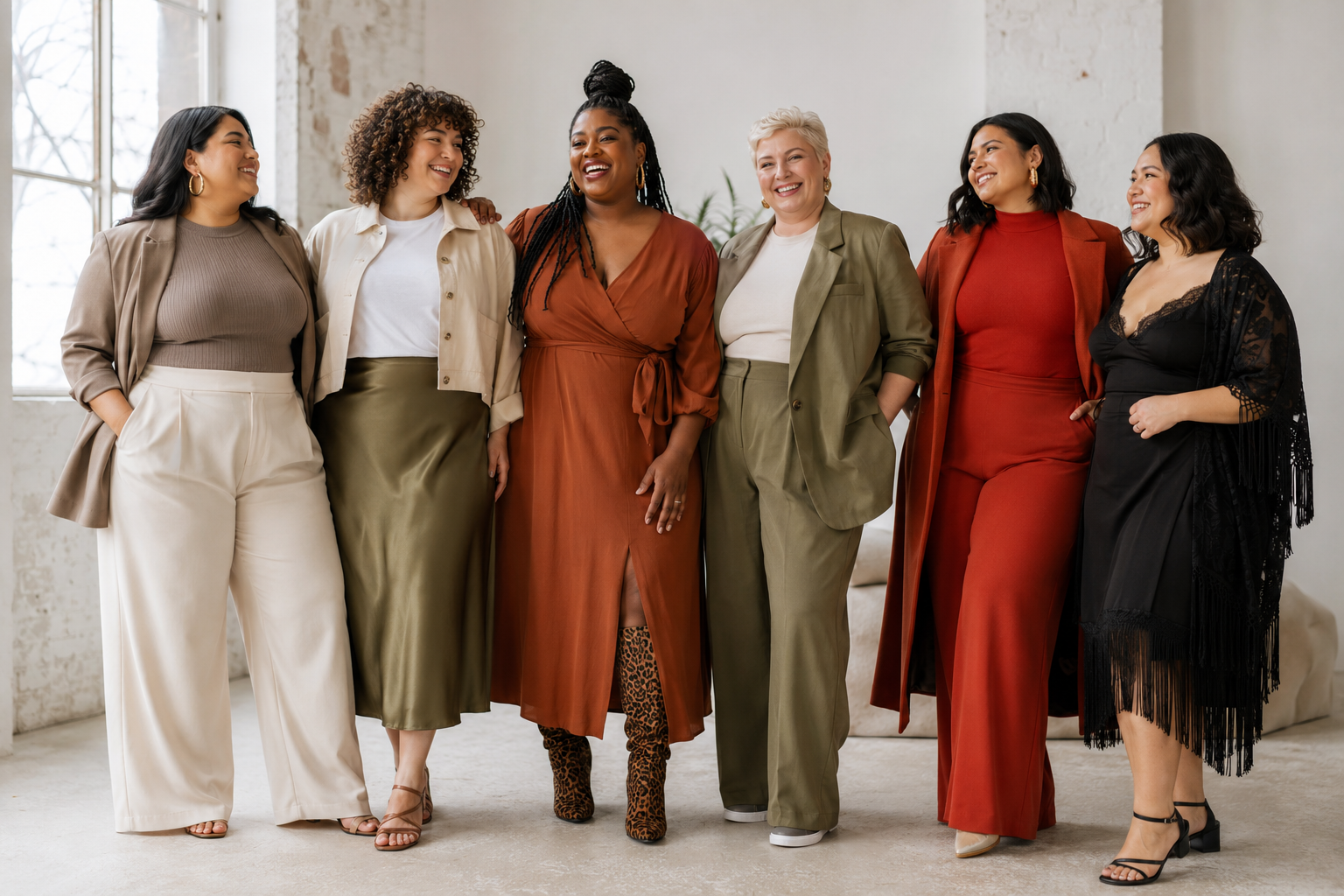
The strongest wardrobe is not the one with the most trends, the smallest number of items, or the most universally “flattering” silhouette. It is the one that reliably supports your days and gives you room to play. Choose one idea from this list, build it from what you own, and wear it somewhere ordinary. Real movement, real weather, and a real schedule will teach you more than a fitting-room mirror. Keep the version that works, revise the one that almost works, and let the rest remain inspiration.
Frequently Asked Questions
What silhouettes are most flattering for plus sizes?
Flattering is personal. Begin with garments that fit comfortably, move well, and create the line or emphasis you enjoy.
Can plus-size people wear oversized clothing?
Absolutely. Check shoulder mobility, intentional length, and how the volume interacts with other pieces rather than following a size-based prohibition.
How do I find a better blazer fit?
Prioritize shoulders, upper arms, and the option to close it; sleeve length and waist shaping are often easier to tailor.
Do I have to define my waist?
No. Waist definition is one styling option, not a requirement. Column shapes, relaxed tailoring, and dropped proportions can all look deliberate.
How can I prevent online sizing mistakes?
Compare garment measurements with a similar item you own, read fabric stretch and return information, and check seated measurements when relevant.