6 Budget Decor Hacks That Look Luxurious (You’ll Be Shocked by #5!)
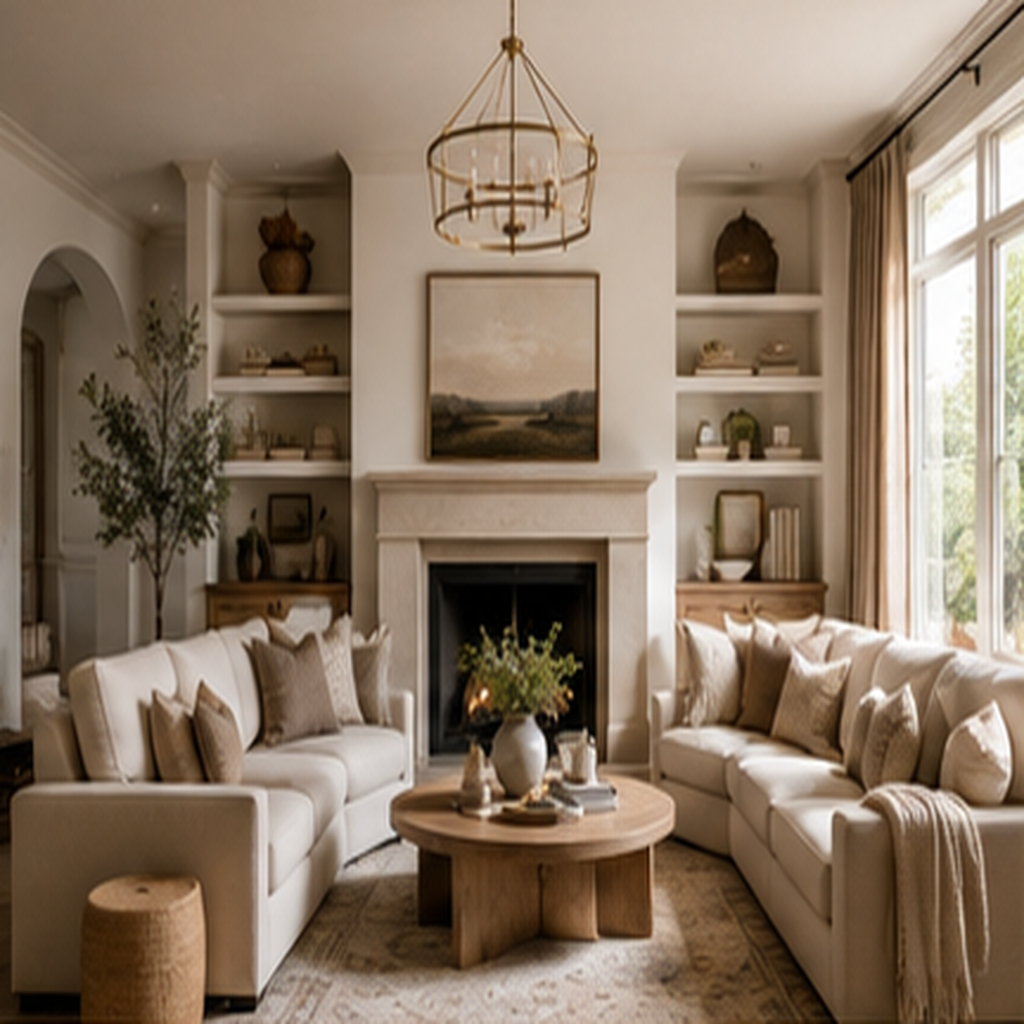
A beautiful home is not created by adding the most objects. It comes from making a few high-impact choices about layout, scale, light, texture, and the way a space supports everyday life. These 6 budget decor hacks are designed to deliver visible change without turning one article into an exhausting catalog.
Key Takeaways
- Measure the real space before buying or building.
- Improve layout, lighting, and scale before adding accessories.
- Repeat a limited palette or material to create cohesion.
- Protect circulation, ventilation, mounting safety, and weather exposure.
- Finish one strong focal point and leave breathing space around it.
1. Use Paint to Create a Wrapped Focal Zone
The Design Outcome
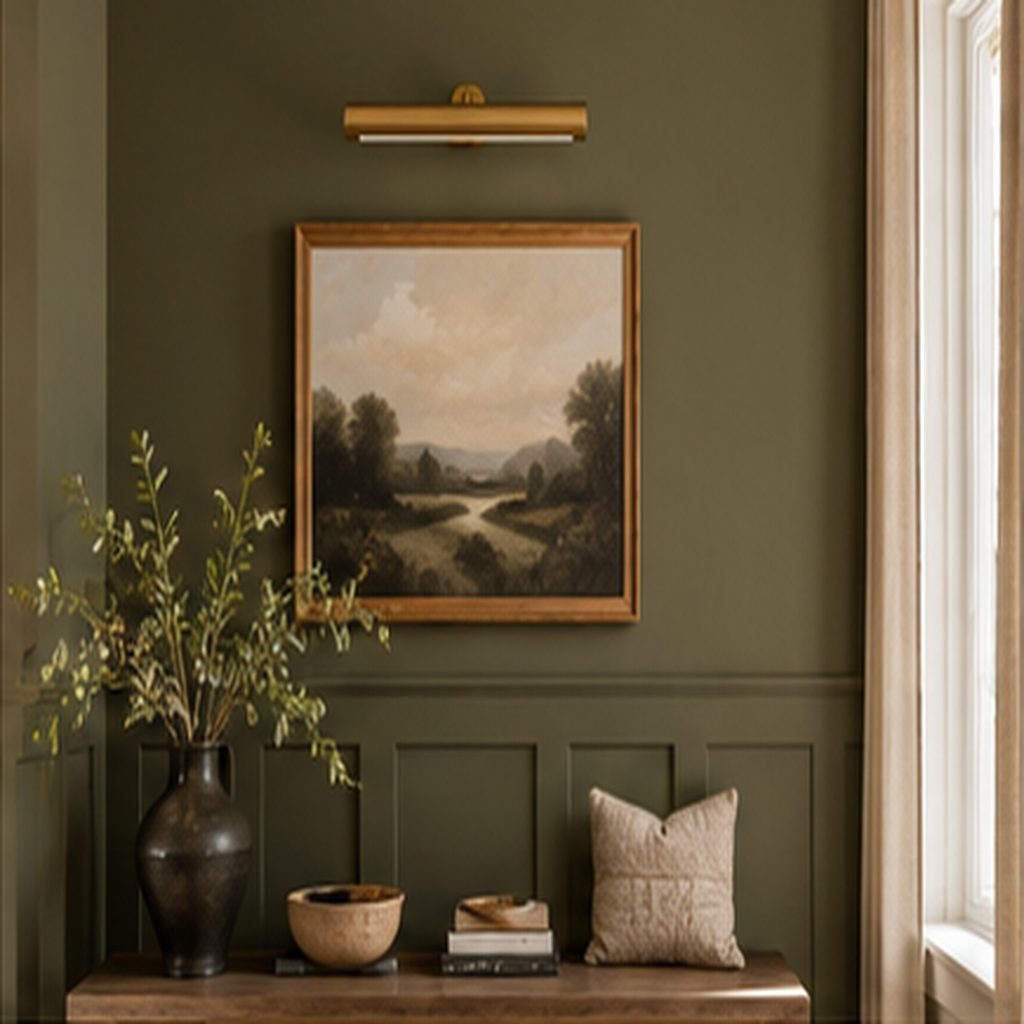
Wrapping a doorway niche, reading corner, or media wall in one paint color creates a deliberate zone and uses less material than repainting the entire home.
How to Execute It
Sample color on several walls, observe it by day and night, prepare surfaces carefully, and keep a crisp stopping line at an architectural edge.
Materials and Placement
Choose materials for the actual surface, traffic, light, moisture, heat, and cleaning demands. Measure twice, create a temporary mock-up, and confirm how doors, drawers, vents, outlets, seating, and walking paths interact with the idea. Use removable options for rentals and obtain written permission before permanent changes.
Pro Tip and Safety Check
Photograph the room from the doorway before and after the mock-up; the camera makes scale and clutter easier to judge. Secure heavy or elevated objects with hardware rated for the wall or structure. Follow product instructions and local requirements for electricity, flame, exterior structures, coatings, and load-bearing work; use a qualified professional when the project exceeds cosmetic decorating.
Why It Works
The idea succeeds because it changes a large visual relationship—scale, rhythm, depth, light, or circulation—rather than relying on many small purchases. Repeat one feature elsewhere in the room, then stop. Restraint lets the improvement read clearly.
2. Replace Small Hardware for a Consistent Finish
The Design Outcome
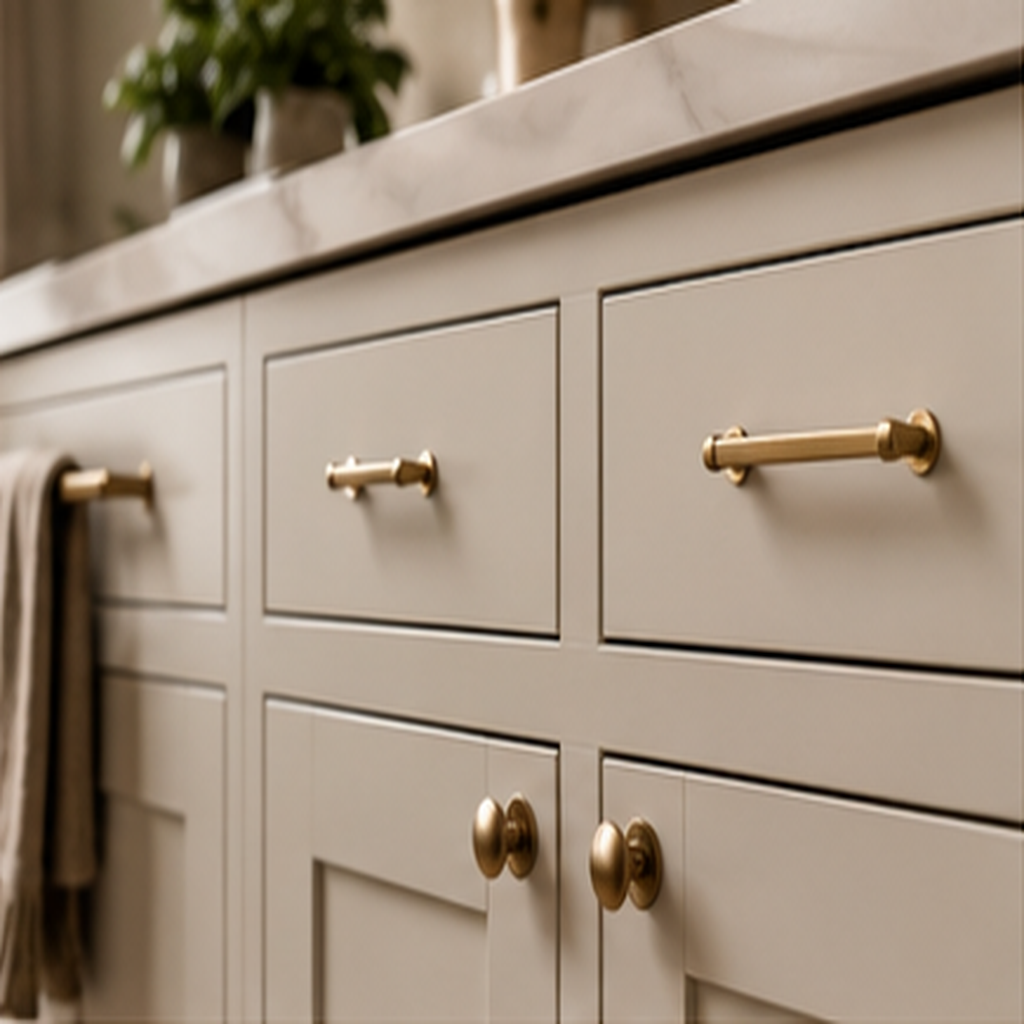
Mismatched knobs and pulls create visual noise. Replacing or refinishing a small set in one consistent shape can make basic cabinetry feel planned.
How to Execute It
Measure hole spacing and projection before buying, save original rental hardware, and choose finishes rated for the location. Tighten gently to avoid crushing cabinet faces.
Materials and Placement
Choose materials for the actual surface, traffic, light, moisture, heat, and cleaning demands. Measure twice, create a temporary mock-up, and confirm how doors, drawers, vents, outlets, seating, and walking paths interact with the idea. Use removable options for rentals and obtain written permission before permanent changes.
Pro Tip and Safety Check
Photograph the room from the doorway before and after the mock-up; the camera makes scale and clutter easier to judge. Secure heavy or elevated objects with hardware rated for the wall or structure. Follow product instructions and local requirements for electricity, flame, exterior structures, coatings, and load-bearing work; use a qualified professional when the project exceeds cosmetic decorating.
Why It Works
The idea succeeds because it changes a large visual relationship—scale, rhythm, depth, light, or circulation—rather than relying on many small purchases. Repeat one feature elsewhere in the room, then stop. Restraint lets the improvement read clearly.
3. Make Curtains Look Custom With Better Placement
The Design Outcome
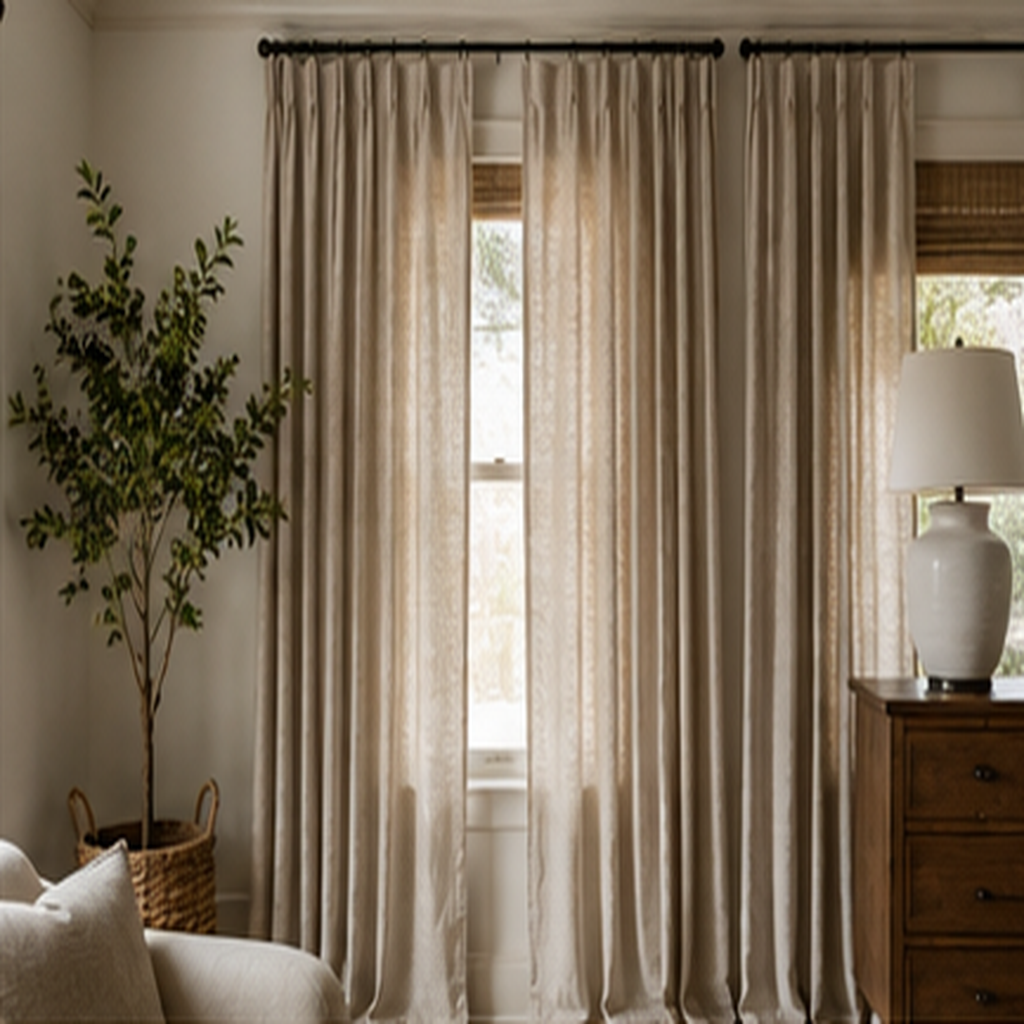
Affordable ready-made panels look more custom when the rod is wider, the fabric is fuller, and the hem meets the floor accurately.
How to Execute It
Combine multiple panels if necessary, steam wrinkles, use rings or hooks consistently, and ensure hardware is anchored for the full fabric weight.
Materials and Placement
Choose materials for the actual surface, traffic, light, moisture, heat, and cleaning demands. Measure twice, create a temporary mock-up, and confirm how doors, drawers, vents, outlets, seating, and walking paths interact with the idea. Use removable options for rentals and obtain written permission before permanent changes.
Pro Tip and Safety Check
Photograph the room from the doorway before and after the mock-up; the camera makes scale and clutter easier to judge. Secure heavy or elevated objects with hardware rated for the wall or structure. Follow product instructions and local requirements for electricity, flame, exterior structures, coatings, and load-bearing work; use a qualified professional when the project exceeds cosmetic decorating.
Why It Works
The idea succeeds because it changes a large visual relationship—scale, rhythm, depth, light, or circulation—rather than relying on many small purchases. Repeat one feature elsewhere in the room, then stop. Restraint lets the improvement read clearly.
4. Upgrade Soft Furnishings Through Texture
The Design Outcome
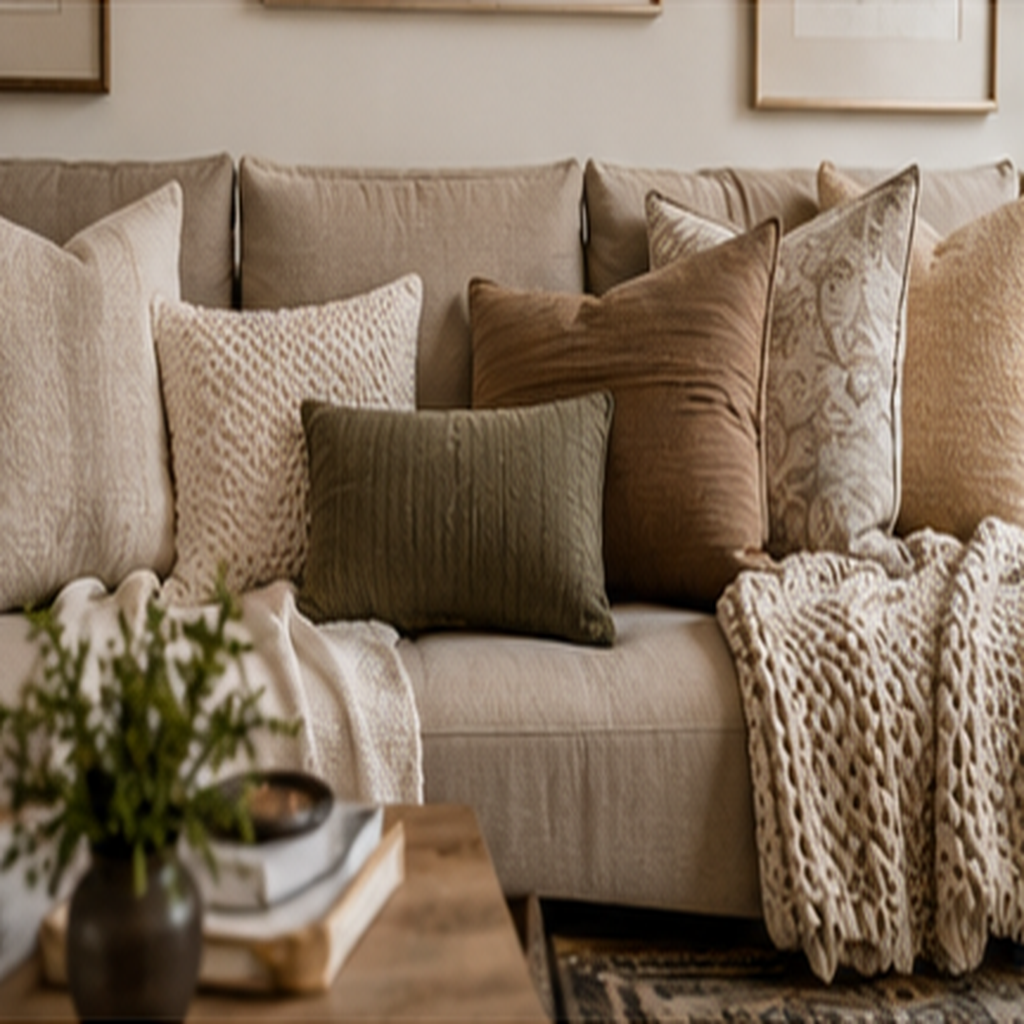
Bouclé-like texture, washed linen, velvet accents, and substantial woven throws create depth even when furniture is basic. Texture is most convincing when colors remain controlled.
How to Execute It
Upgrade one or two covers instead of buying many pillows. Check washability, abrasion needs, allergies, and pet claws before choosing delicate fabric.
Materials and Placement
Choose materials for the actual surface, traffic, light, moisture, heat, and cleaning demands. Measure twice, create a temporary mock-up, and confirm how doors, drawers, vents, outlets, seating, and walking paths interact with the idea. Use removable options for rentals and obtain written permission before permanent changes.
Pro Tip and Safety Check
Photograph the room from the doorway before and after the mock-up; the camera makes scale and clutter easier to judge. Secure heavy or elevated objects with hardware rated for the wall or structure. Follow product instructions and local requirements for electricity, flame, exterior structures, coatings, and load-bearing work; use a qualified professional when the project exceeds cosmetic decorating.
Why It Works
The idea succeeds because it changes a large visual relationship—scale, rhythm, depth, light, or circulation—rather than relying on many small purchases. Repeat one feature elsewhere in the room, then stop. Restraint lets the improvement read clearly.
5. Repeat One Metal Finish in Three Strategic Places
The Design Outcome
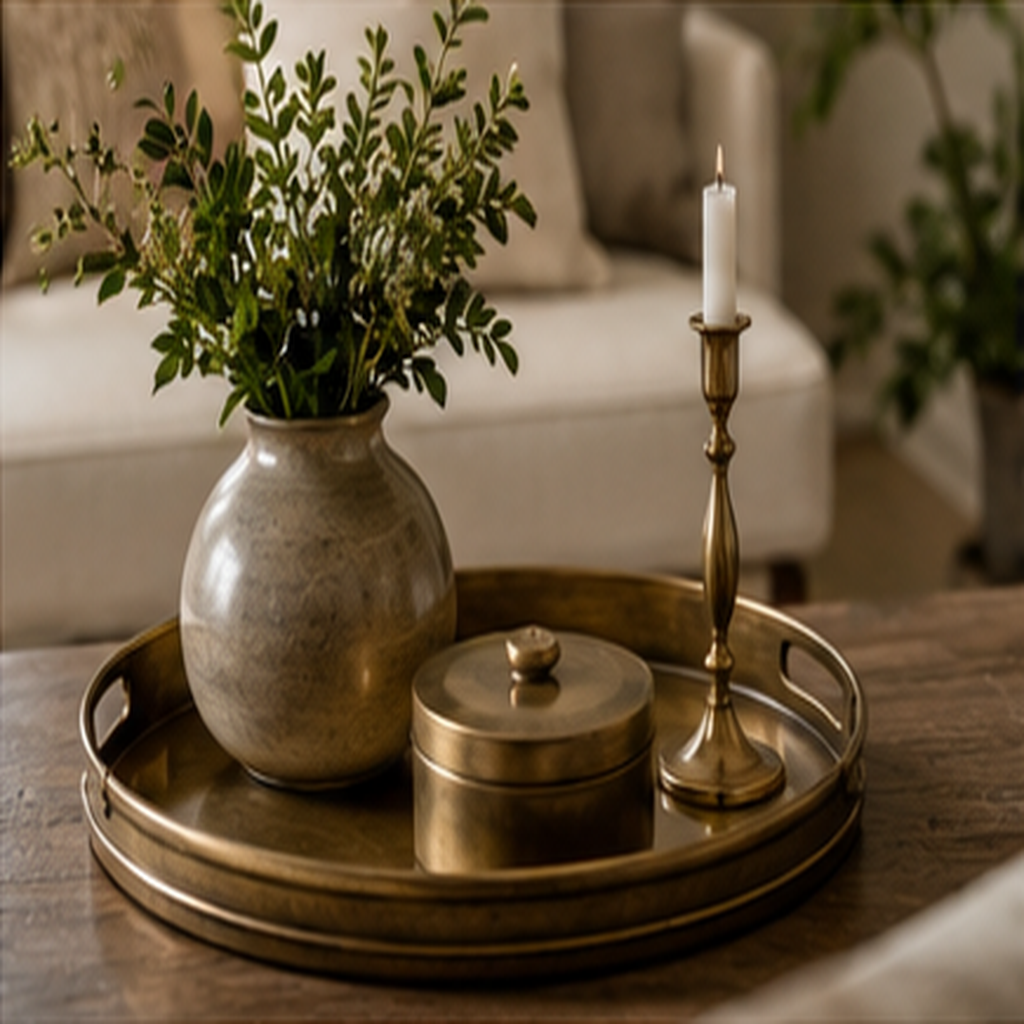
Repeating one restrained metal finish on a lamp, tray, frame, and small hardware detail makes separate budget finds look like a collection. The luxury effect comes from repetition, not from metallic paint on everything.
How to Execute It
Choose three visible points across the room, keep the finish undertone consistent, and use products intended for the surface. Leave electrical and heat-producing fixture parts unpainted.
Materials and Placement
Choose materials for the actual surface, traffic, light, moisture, heat, and cleaning demands. Measure twice, create a temporary mock-up, and confirm how doors, drawers, vents, outlets, seating, and walking paths interact with the idea. Use removable options for rentals and obtain written permission before permanent changes.
Pro Tip and Safety Check
Photograph the room from the doorway before and after the mock-up; the camera makes scale and clutter easier to judge. Secure heavy or elevated objects with hardware rated for the wall or structure. Follow product instructions and local requirements for electricity, flame, exterior structures, coatings, and load-bearing work; use a qualified professional when the project exceeds cosmetic decorating.
Why It Works
The idea succeeds because it changes a large visual relationship—scale, rhythm, depth, light, or circulation—rather than relying on many small purchases. Repeat one feature elsewhere in the room, then stop. Restraint lets the improvement read clearly.
6. Use a Large Mirror to Borrow Light and Space
The Design Outcome
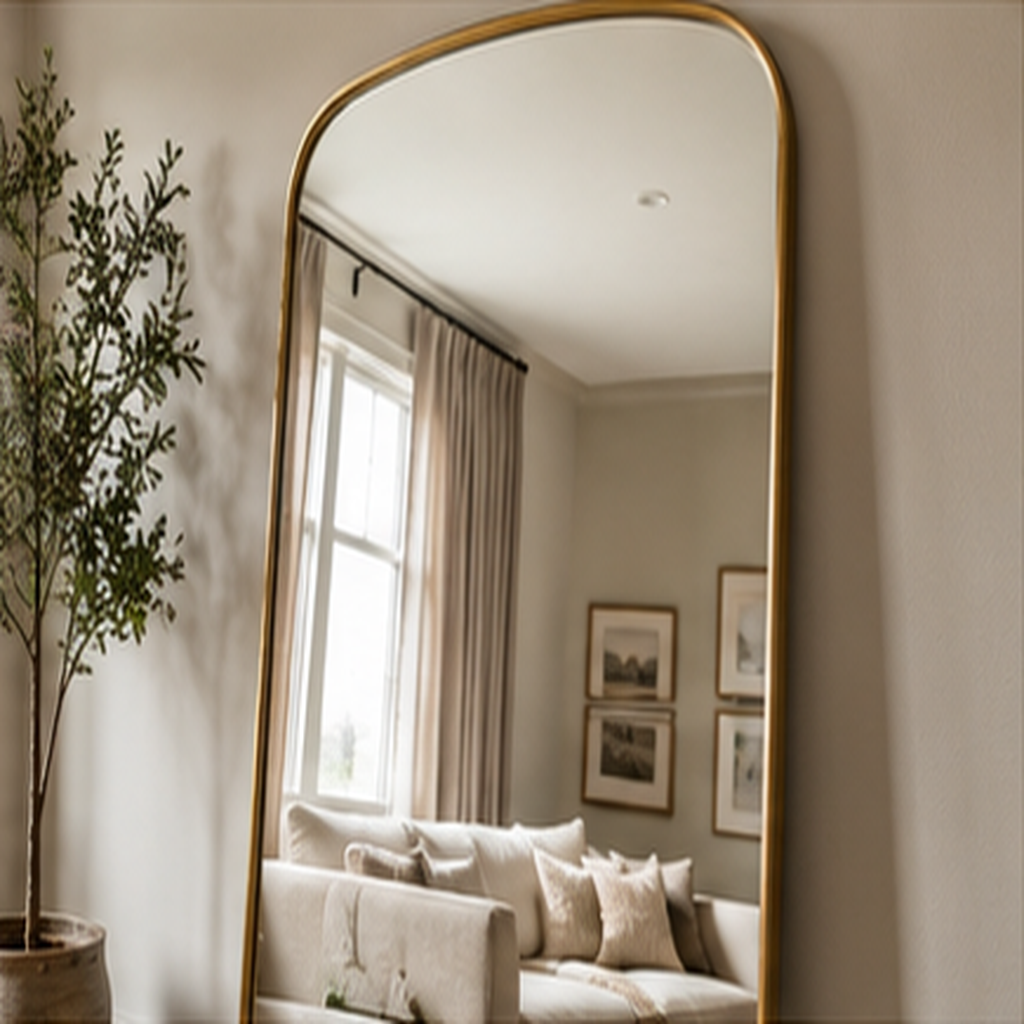
A large mirror amplifies daylight and creates a long sightline, especially opposite a window or open doorway.
How to Execute It
Reflect the best view rather than clutter, use rated mounting hardware, and avoid leaning large mirrors where children or pets could tip them.
Materials and Placement
Choose materials for the actual surface, traffic, light, moisture, heat, and cleaning demands. Measure twice, create a temporary mock-up, and confirm how doors, drawers, vents, outlets, seating, and walking paths interact with the idea. Use removable options for rentals and obtain written permission before permanent changes.
Pro Tip and Safety Check
Photograph the room from the doorway before and after the mock-up; the camera makes scale and clutter easier to judge. Secure heavy or elevated objects with hardware rated for the wall or structure. Follow product instructions and local requirements for electricity, flame, exterior structures, coatings, and load-bearing work; use a qualified professional when the project exceeds cosmetic decorating.
Why It Works
The idea succeeds because it changes a large visual relationship—scale, rhythm, depth, light, or circulation—rather than relying on many small purchases. Repeat one feature elsewhere in the room, then stop. Restraint lets the improvement read clearly.
Choose the Right Project First
A Weekend Planning Sequence
Begin with a measured sketch and photographs from the main entry. Remove items that do not need to stay, then mark the proposed furniture, art, lighting, or outdoor zone with tape or temporary objects. Live with the mock-up through daytime and evening before buying materials. This pause catches glare, blocked doors, weak sightlines, and pieces that only looked right from one angle.
Make a complete cost list rather than comparing one headline price. Include tools, mounting hardware, primer, delivery, waste, protective equipment, storage, repairs, and professional help. Decide which visible quality matters most—scale, texture, color accuracy, durability, or craftsmanship—and spend there. Save on elements that can remain simple.
Styling Without Visual Clutter
Use repetition to make affordable or handmade pieces look intentional. Repeat a tone in three locations, carry one wood or metal finish across the space, and vary shape rather than adding more colors. Group small objects into one composition, preserve useful empty surfaces, and keep the clearest view in the room largely open.
Edit at normal eye level and from the doorway. Remove packaging, excess cords, undersized filler, and anything that blocks the strongest feature. A finished room should still have space for a book, a drink, a guest, daily cleanup, and the activities that made the room necessary in the first place.
Conclusion
The fastest route to a more impressive home is not completing every idea at once. Choose the suggestion that addresses the largest visual or functional problem, test it at full scale, and complete it carefully. Once layout, light, and proportion feel right, smaller details become easier to select—and fewer of them are required.
Frequently Asked Questions
Which decorating change has the biggest impact?
Layout, lighting, scale, and window treatment usually affect more of the room than small accessories. Start with the problem visible from the entry.
How can I avoid buying the wrong size?
Measure the exact location, tape the footprint or outline, photograph it, and test door, drawer, seating, and walking clearance before ordering.
Can renters use these ideas?
Yes. Favor freestanding panels, textile art, picture ledges installed with permission, removable treatments, portable lighting, and hardware that can be restored.
How do I make budget decor look cohesive?
Limit the palette, repeat one finish, choose fewer larger elements, and edit crowded surfaces. Cohesion matters more than the original price.
When should I hire a professional?
Use qualified help for electrical work, structural mounting, exterior construction, gas or fire features, suspected hazardous coatings, and anything beyond your tools or experience.
Related Topics
- [More Home Ideas](/category/home-living/)
- [Affordable decorating projects](/category/home-living/)
- [Room-by-room organization](/category/home-living/)
- [Outdoor living inspiration](/category/home-living/)
The Final Full-Room Check
Stand at the main entry, then move through the space in the order a guest or household member normally would. Check the first view, walking width, seating access, glare, cords, door swings, storage reach, and the way the room changes after sunset. Sit in every primary seat and look back toward the entry. A project that works from only one camera angle needs another edit.
Photograph the finished space in daylight and evening light, then compare it with the original problem statement. If the goal was calm, confirm that surfaces and pathways are easier to use. If the goal was luxury, look for consistent scale, finish, and repetition rather than extra objects. If the goal was outdoor comfort, test shade, drainage, wind, lighting, and storage through ordinary weather. Keep a short repair list and remove any detail that introduces a trip, tip, heat, moisture, or maintenance problem.
Final Seven-Day Review
After one week, check whether the change improves movement, comfort, cleaning, light, storage, and the main view. Tighten safe hardware as instructed, correct trip hazards, and remove additions that create work without adding function or meaning. A room that photographs well but frustrates daily life is not finished.