7 2026 Fashion Trends You Need to Know (You’ll Be Obsessed with #5!)
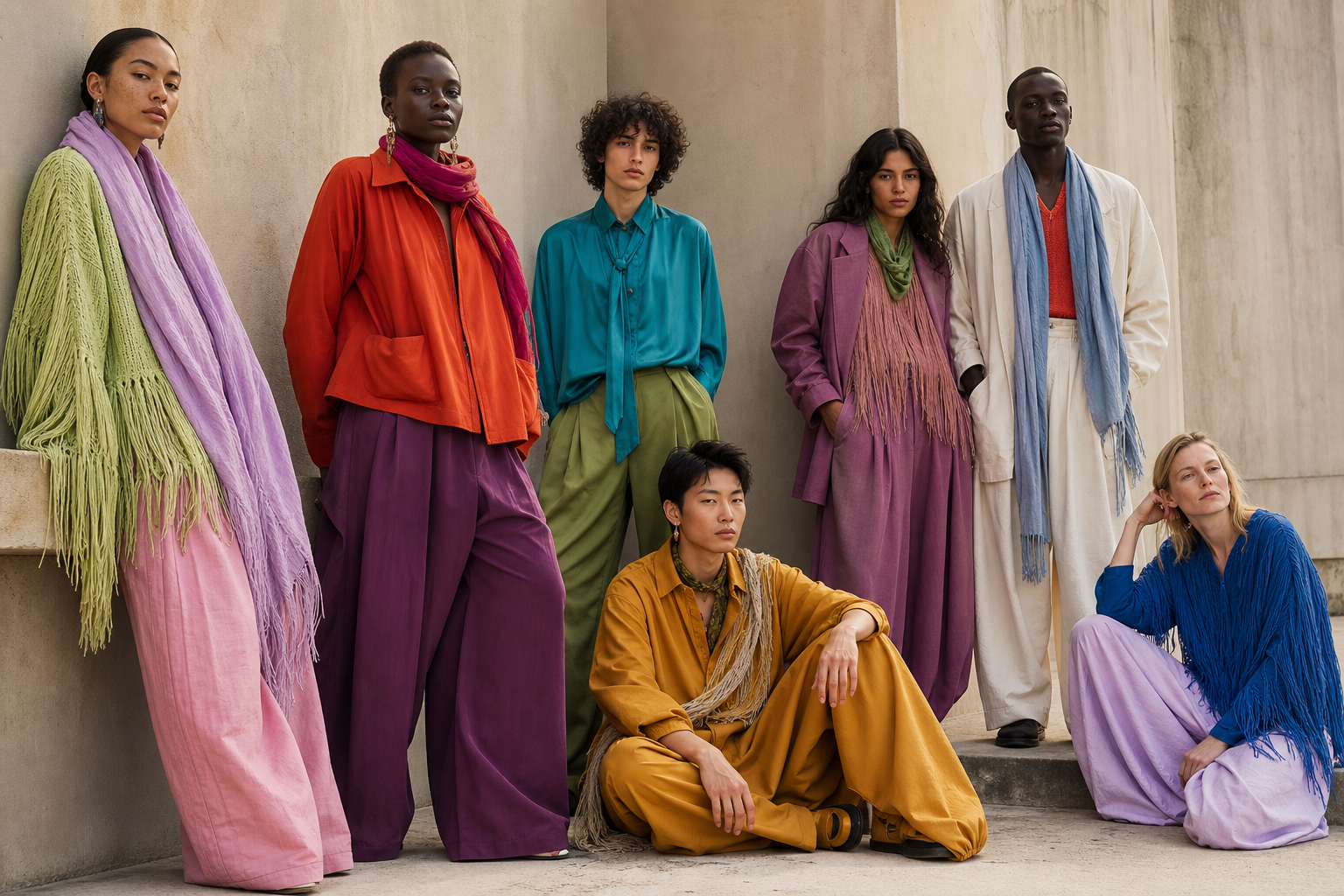
The most useful trend report does not ask you to replace your wardrobe. It identifies fresh proportions, colors, and styling ideas that can be tested with pieces you already own. Spring and summer 2026 runway coverage points to expressive color, tactile movement, practical trousers, scarf styling, playful sets, sporty tailoring, and statement volume. Translate one signal at a time, keep your own comfort and context in charge, and treat trend forecasts as inspiration rather than rules.
Key Takeaways
- Start with clothes you already own and one clear styling goal.
- Test movement, comfort, and care needs before committing.
- Use proportion, color, and texture as options rather than body rules.
- Prefer reversible experiments before permanent alterations.
- Buy only when a piece fills a real wardrobe role.
1. Rich, Expressive Color Pairings
The Style Idea
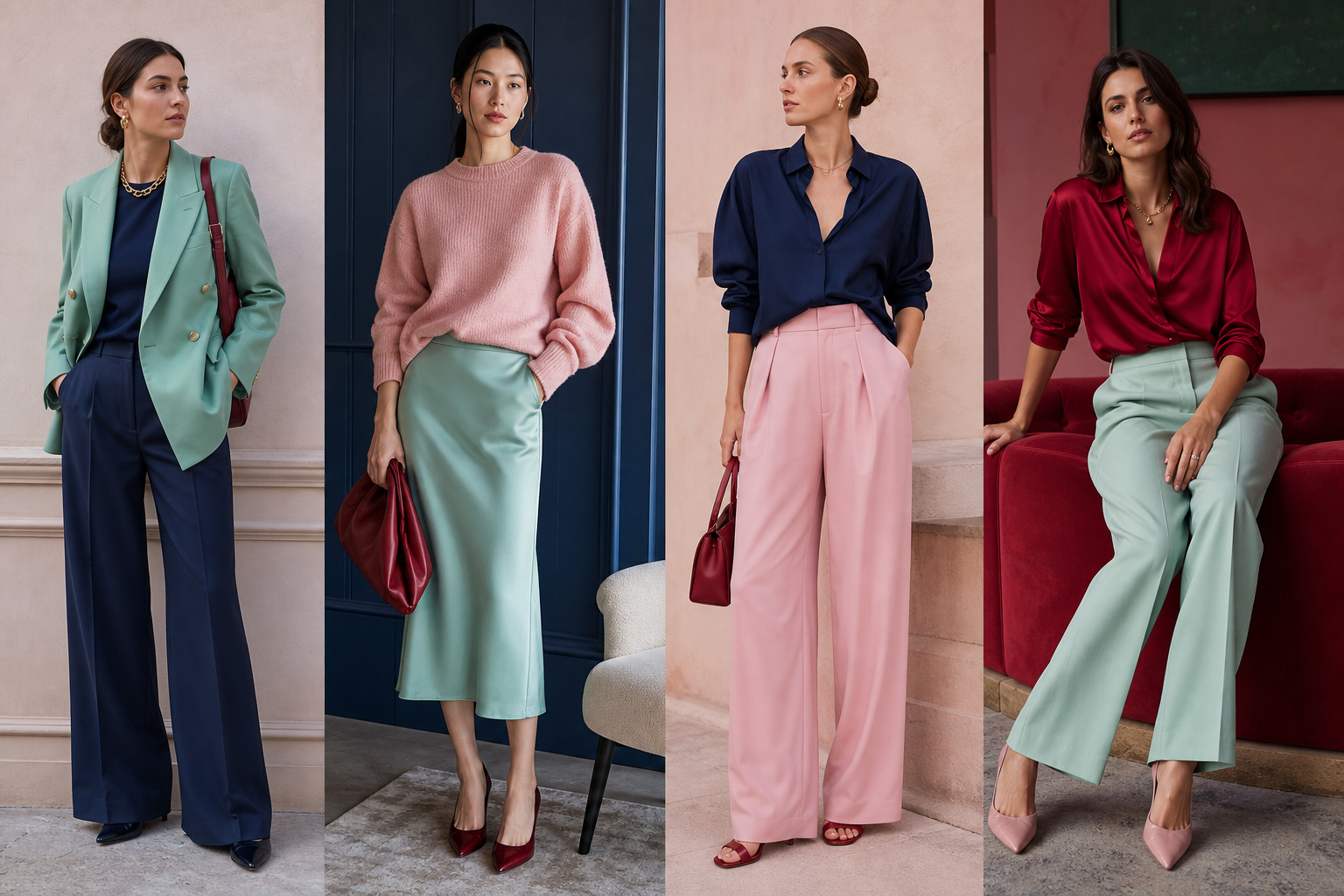
Mint with navy, powder pink with deep red, or moss with royal purple captures the season's appetite for richer combinations. Start with one familiar base and add a saturated shirt, shoe, or bag; repeating the accent once makes the color look deliberate.
Make It Work in Real Life
Natural daylight reveals undertones more accurately than a fitting-room bulb. If two strong colors compete near your face, move one to the lower half or separate them with cream, denim, or charcoal.
Try This Before You Buy
Build the look with the closest pieces you already own, then take front, side, and seated photos in natural light. Notice comfort, fabric behavior, pocket placement, and whether the combination survives your normal shoes and outerwear. If a gap remains after two real wears, write the exact requirement—color, measurement, material, and care limit—before shopping.
Styling Note
Personal style is not a correction exercise. Adjust the idea for sensory comfort, mobility, climate, workplace expectations, and the amount of attention you enjoy. A successful version should feel recognizable as yours, not like an obligation to reproduce a photograph.
2. Fringe, Lace, and Tactile Movement
The Style Idea
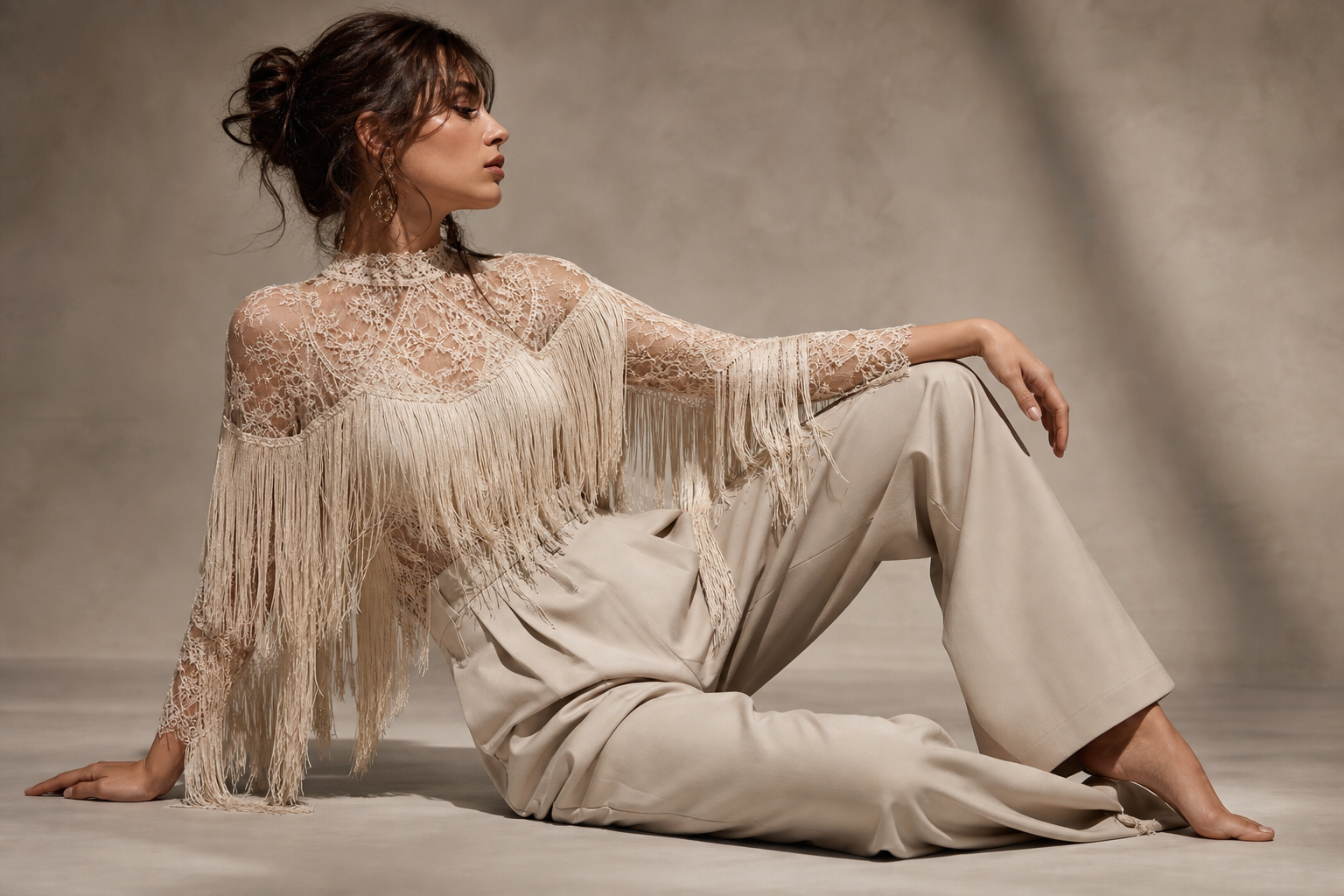
Fringe, fuzzy surfaces, crochet, eyelet, and lace create movement before color enters the conversation. Use one tactile piece—a fringed top, lace overshirt, or crochet bag—against smoother trousers and simple shoes.
Make It Work in Real Life
Check snag risk and care requirements before buying. Texture is most wearable when it survives your commute, seating, and laundry routine rather than existing only for a photograph.
Try This Before You Buy
Build the look with the closest pieces you already own, then take front, side, and seated photos in natural light. Notice comfort, fabric behavior, pocket placement, and whether the combination survives your normal shoes and outerwear. If a gap remains after two real wears, write the exact requirement—color, measurement, material, and care limit—before shopping.
Styling Note
Personal style is not a correction exercise. Adjust the idea for sensory comfort, mobility, climate, workplace expectations, and the amount of attention you enjoy. A successful version should feel recognizable as yours, not like an obligation to reproduce a photograph.
3. Balloon and Cargo Trousers
The Style Idea
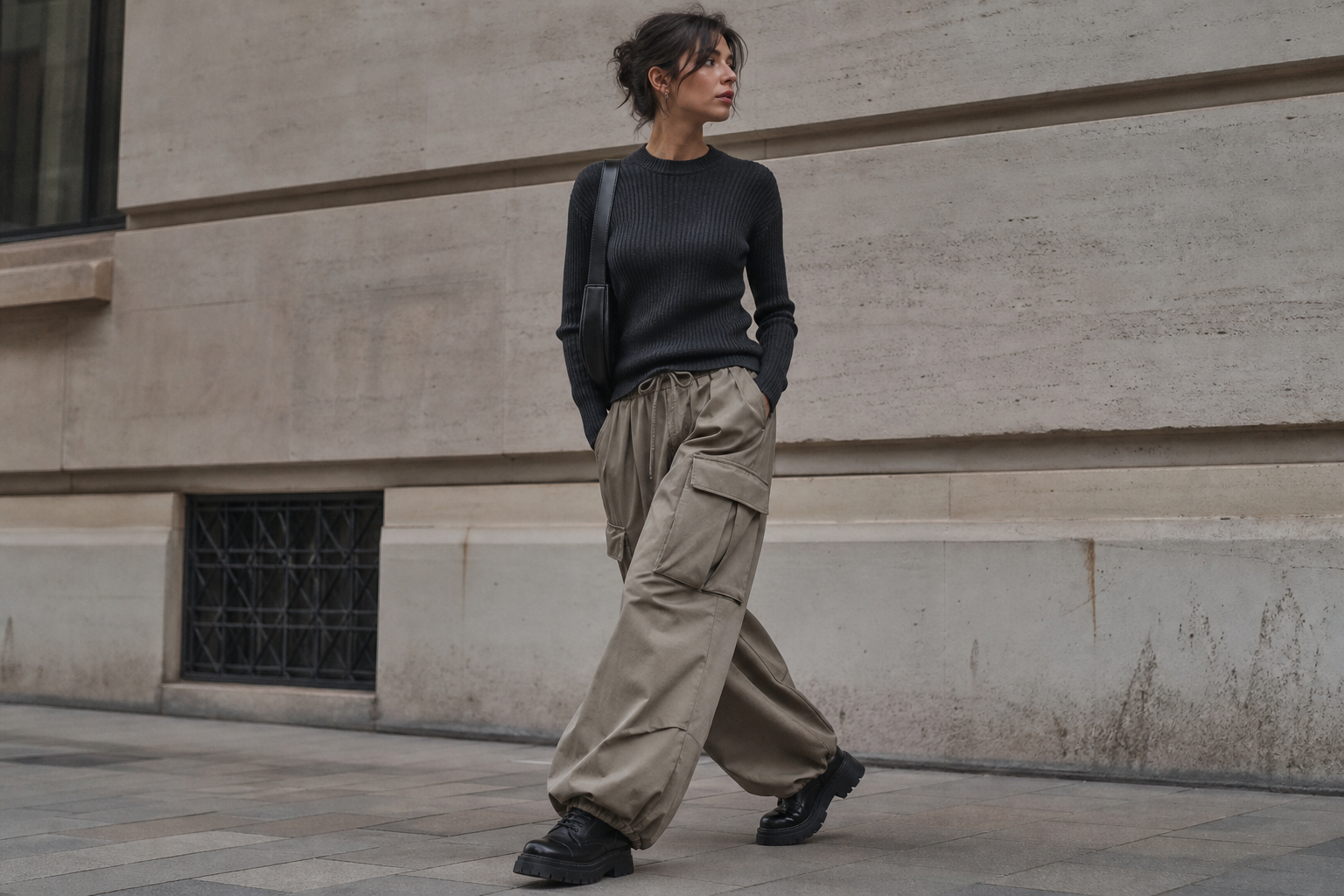
Balloon trousers offer volume through the leg and taper near the ankle; cargo styles add pocket architecture. Balance either with a compact knit, tucked shirt, or cropped jacket, then choose shoes with enough visual weight to support the shape.
Make It Work in Real Life
Pocket bulk and hem position matter. Sit, walk, and use the pockets before committing; the trend should feel mobile, not like a costume.
Try This Before You Buy
Build the look with the closest pieces you already own, then take front, side, and seated photos in natural light. Notice comfort, fabric behavior, pocket placement, and whether the combination survives your normal shoes and outerwear. If a gap remains after two real wears, write the exact requirement—color, measurement, material, and care limit—before shopping.
Styling Note
Personal style is not a correction exercise. Adjust the idea for sensory comfort, mobility, climate, workplace expectations, and the amount of attention you enjoy. A successful version should feel recognizable as yours, not like an obligation to reproduce a photograph.
4. Modern Scarf Styling
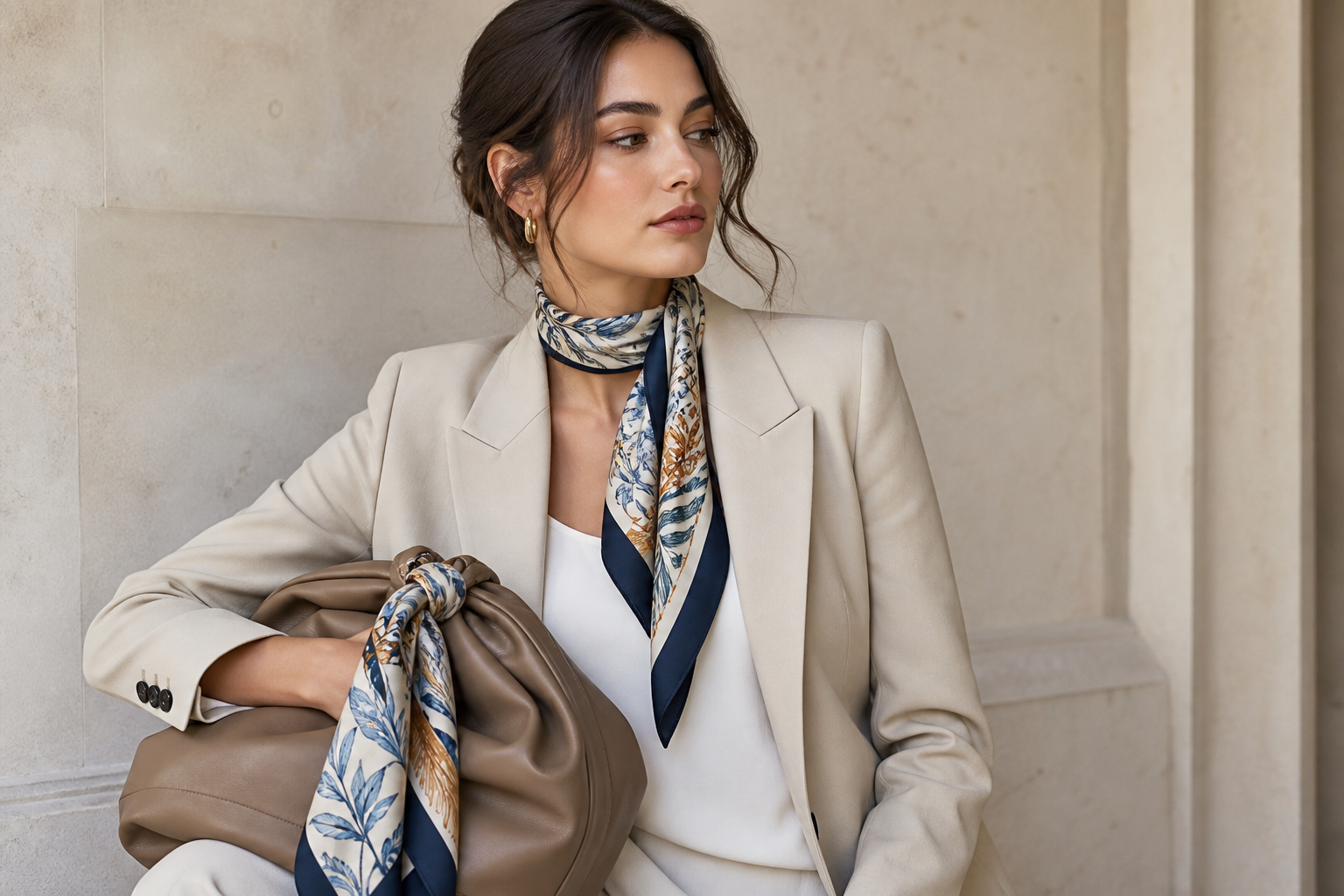
The Style Idea
A printed scarf can sit close to the neck, wrap a bag handle, cover the hair, or drape beneath a blazer. The 2026 version feels collected rather than overly matched, so let the print introduce a surprising secondary color.
Make It Work in Real Life
Secure scarves for wind and movement. Keep long ends away from wheels and machinery, and avoid tying so tightly that it is uncomfortable.
Try This Before You Buy
Build the look with the closest pieces you already own, then take front, side, and seated photos in natural light. Notice comfort, fabric behavior, pocket placement, and whether the combination survives your normal shoes and outerwear. If a gap remains after two real wears, write the exact requirement—color, measurement, material, and care limit—before shopping.
Styling Note
Personal style is not a correction exercise. Adjust the idea for sensory comfort, mobility, climate, workplace expectations, and the amount of attention you enjoy. A successful version should feel recognizable as yours, not like an obligation to reproduce a photograph.
5. Playful Sets With Personality
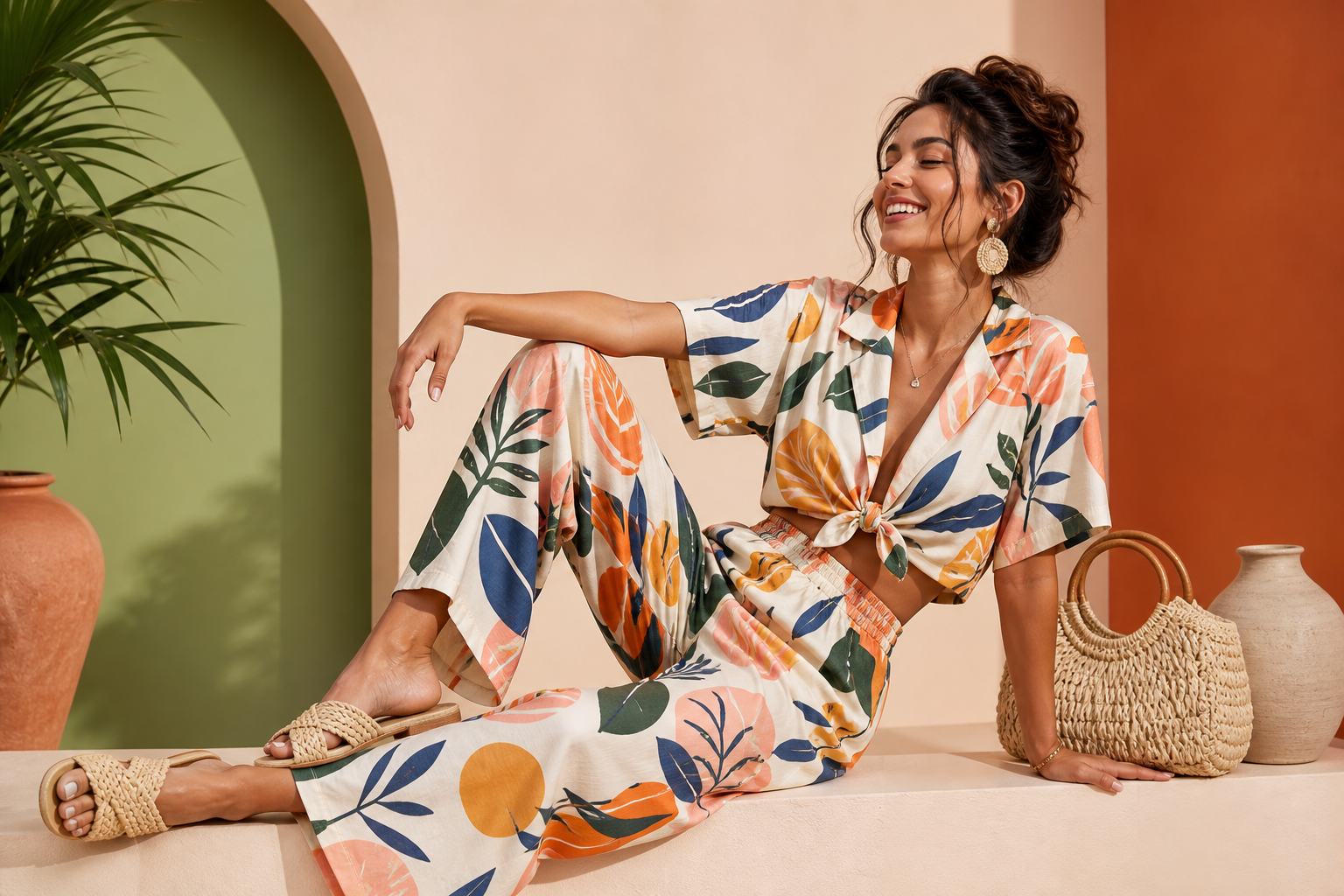
The Style Idea
Coordinated sets are becoming more expressive through prints, texture, and unexpected proportions. Wear both pieces for impact, then split them: pair the top with denim and the bottom with a plain knit. That cost-per-wear test distinguishes a useful set from a one-look purchase.
Make It Work in Real Life
The playful quality comes from confidence and ease, not excessive accessories. Let the set be the headline and keep the bag and shoe shapes clean.
Try This Before You Buy
Build the look with the closest pieces you already own, then take front, side, and seated photos in natural light. Notice comfort, fabric behavior, pocket placement, and whether the combination survives your normal shoes and outerwear. If a gap remains after two real wears, write the exact requirement—color, measurement, material, and care limit—before shopping.
Styling Note
Personal style is not a correction exercise. Adjust the idea for sensory comfort, mobility, climate, workplace expectations, and the amount of attention you enjoy. A successful version should feel recognizable as yours, not like an obligation to reproduce a photograph.
6. Relaxed Tailoring Meets Sporty Layers
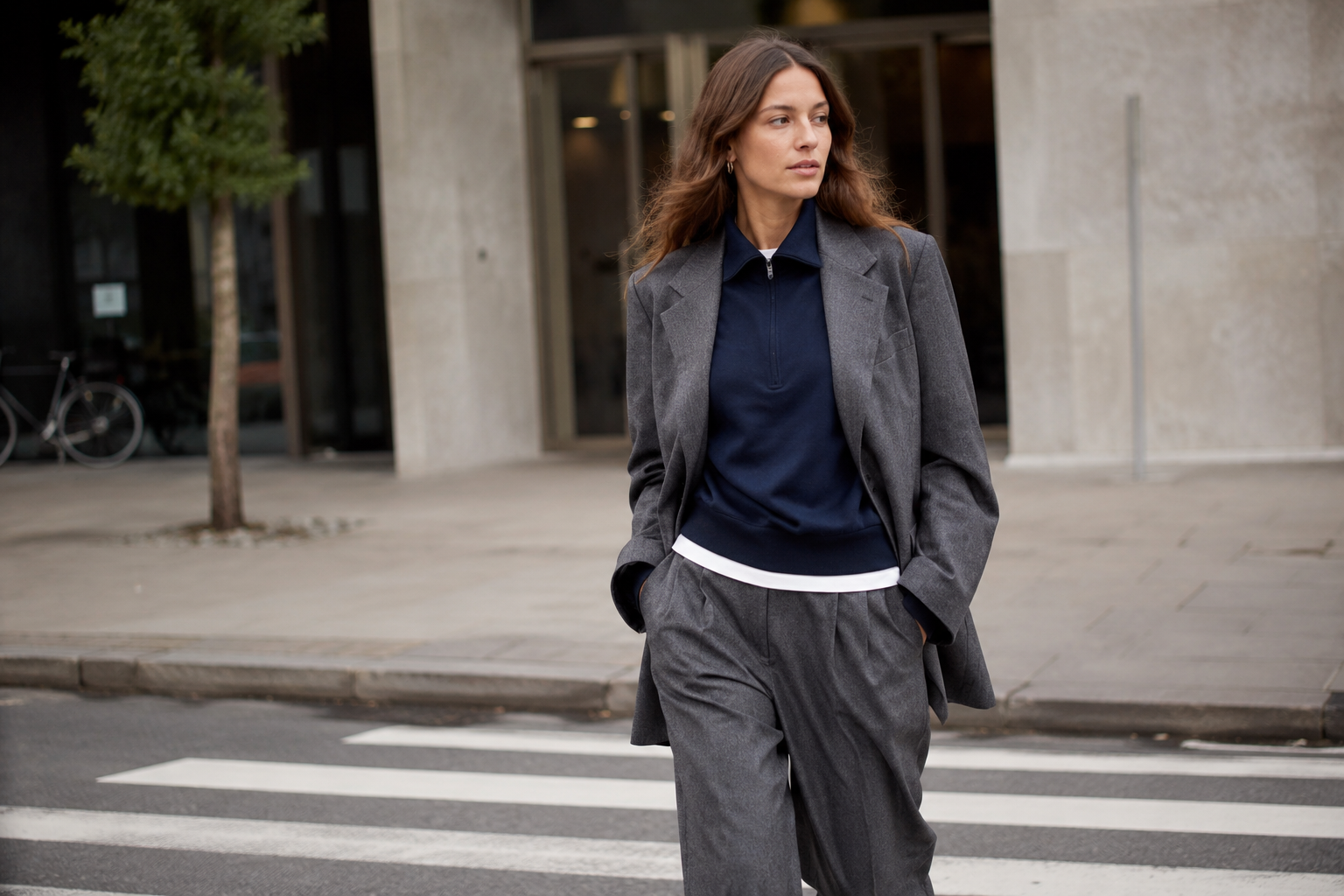
The Style Idea
Street style has made sweatshirts and track layers convincing partners for trousers, skirts, and coats. Keep one tailored edge—a pressed crease, structured bag, pointed shoe, or clean collar—so the contrast reads as intentional.
Make It Work in Real Life
Fit is flexible, but condition matters. De-pill knits, clean footwear, and steam trousers; the polished details are what turn comfort into a composed outfit.
Try This Before You Buy
Build the look with the closest pieces you already own, then take front, side, and seated photos in natural light. Notice comfort, fabric behavior, pocket placement, and whether the combination survives your normal shoes and outerwear. If a gap remains after two real wears, write the exact requirement—color, measurement, material, and care limit—before shopping.
Styling Note
Personal style is not a correction exercise. Adjust the idea for sensory comfort, mobility, climate, workplace expectations, and the amount of attention you enjoy. A successful version should feel recognizable as yours, not like an obligation to reproduce a photograph.
7. Statement Volume and Romantic Detail
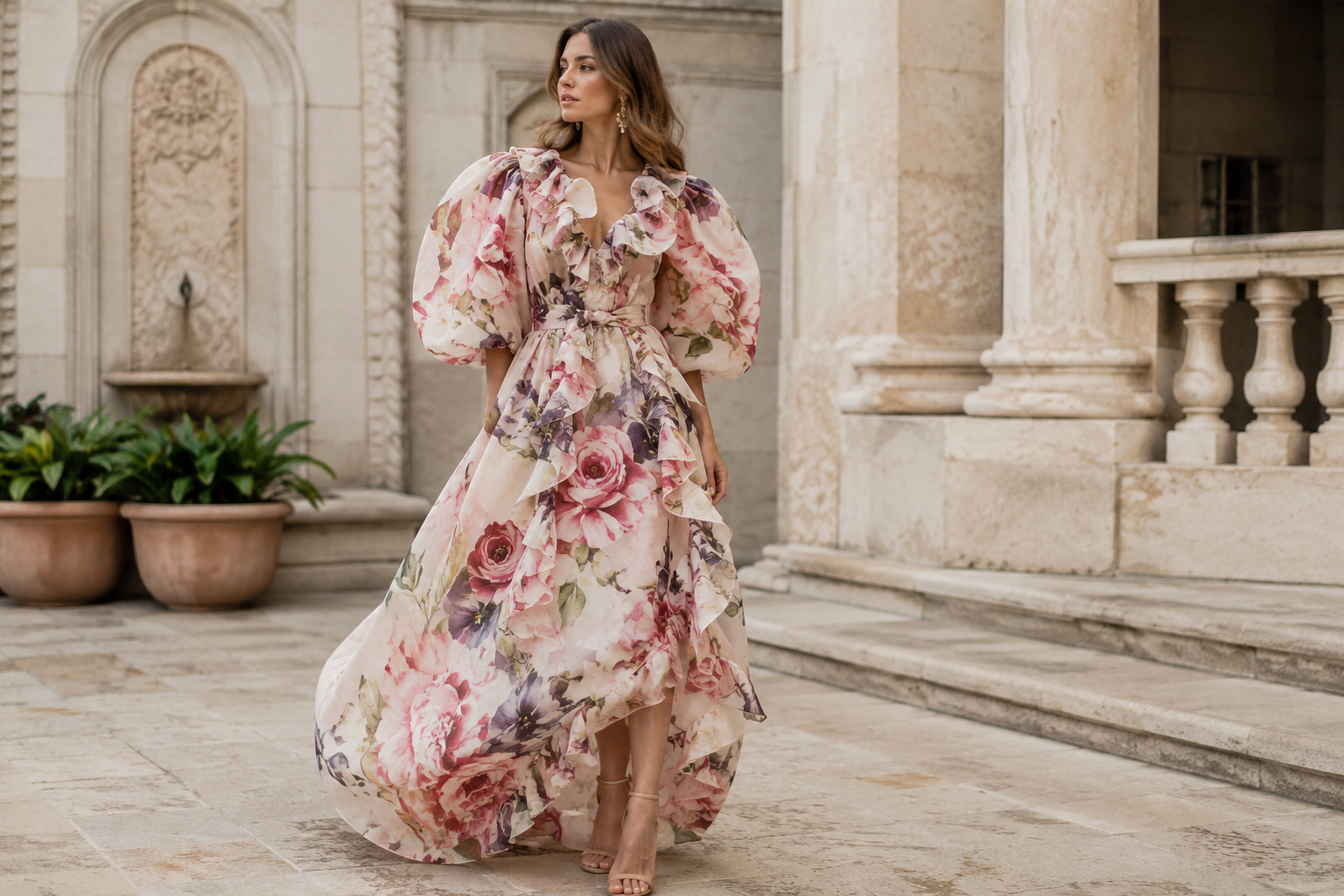
The Style Idea
Runways are embracing enlarged florals, ruffles, pannier-like shapes, and other unapologetic volume. Translate the idea with one puff sleeve, a softly gathered skirt, or an oversized floral rather than reproducing a full runway silhouette.
Make It Work in Real Life
Protect movement and sightlines, especially at events. A statement garment is successful when you can sit, walk, and manage a coat or bag without fighting it.
Try This Before You Buy
Build the look with the closest pieces you already own, then take front, side, and seated photos in natural light. Notice comfort, fabric behavior, pocket placement, and whether the combination survives your normal shoes and outerwear. If a gap remains after two real wears, write the exact requirement—color, measurement, material, and care limit—before shopping.
Styling Note
Personal style is not a correction exercise. Adjust the idea for sensory comfort, mobility, climate, workplace expectations, and the amount of attention you enjoy. A successful version should feel recognizable as yours, not like an obligation to reproduce a photograph.
Wardrobe Decision Guide
| Question | If yes | If no |
|---|---|---|
| Can I make three outfits with it? | Photograph the combinations and test one full day. | Identify whether it is a true gap or a single-look temptation. |
| Is it comfortable sitting, walking, and reaching? | Check care and construction next. | Change the size, cut, fabric, or styling plan. |
| Can I care for it realistically? | Record the care method before purchase. | Choose a more compatible material or use rental for one occasion. |
| Is the change reversible? | Experiment before altering permanently. | Measure twice and use a skilled tailor when risk is meaningful. |
| Will I still like it without the trend label? | It may belong in your long-term style. | Borrow, rent, or skip the purchase. |
Conclusion
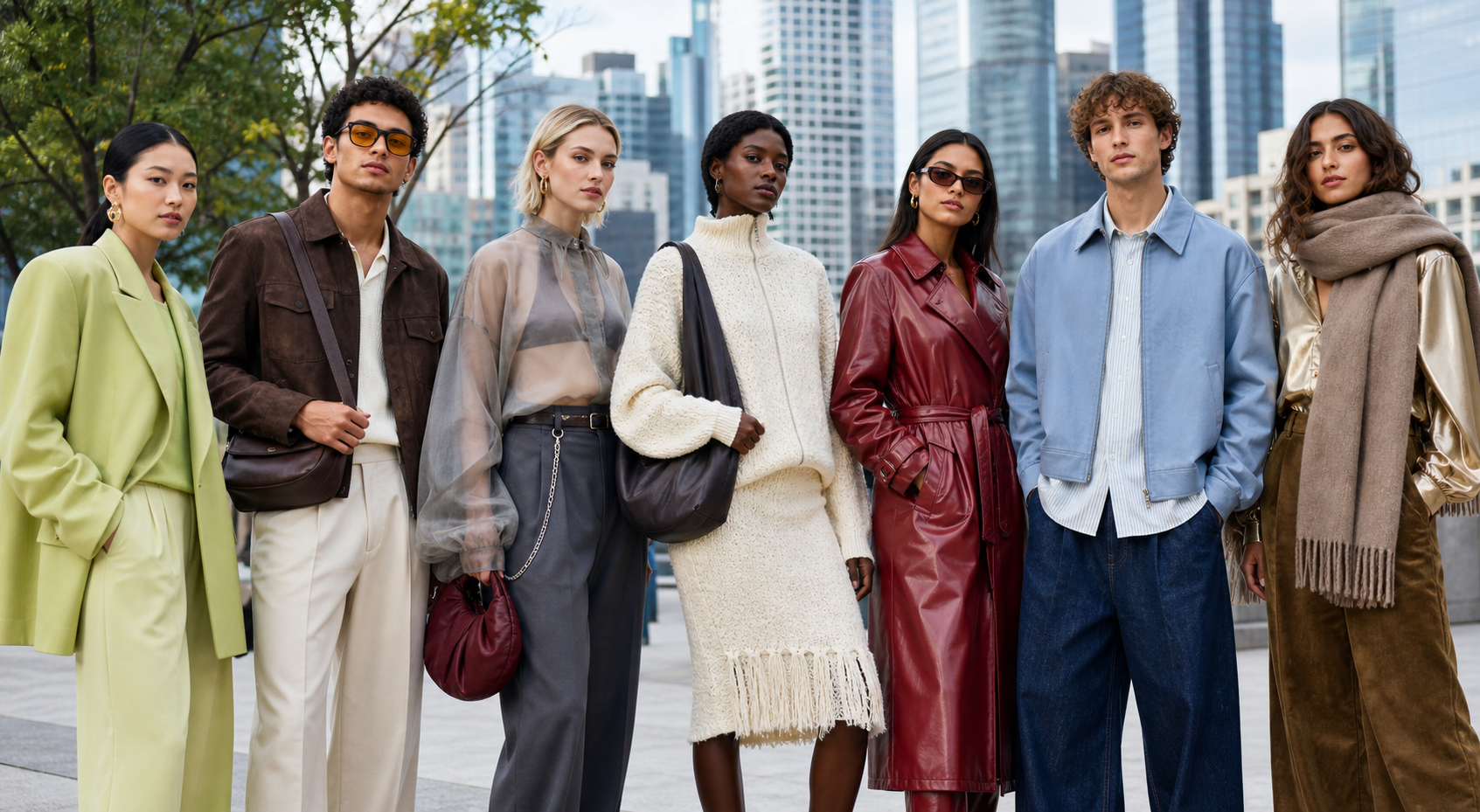
The strongest wardrobe is not the one with the most trends, the smallest number of items, or the most universally “flattering” silhouette. It is the one that reliably supports your days and gives you room to play. Choose one idea from this list, build it from what you own, and wear it somewhere ordinary. Real movement, real weather, and a real schedule will teach you more than a fitting-room mirror. Keep the version that works, revise the one that almost works, and let the rest remain inspiration.
Frequently Asked Questions
Do I need to buy new clothes to wear 2026 trends?
No. Test current color pairings, scarf placements, sporty layers, or new proportions using your existing wardrobe first.
Which 2026 trend is easiest to try?
A scarf accent or one expressive color is low-commitment and works across many personal styles.
Are cargo trousers still current in 2026?
Runway trend coverage includes cargo and balloon trousers; choose the shape only if its pockets, rise, and movement suit your life.
How long will these trends last?
No forecast can guarantee longevity. Textures, tailoring, and expressive color can outlive a season when they fit your personal style.
How should I shop a trend responsibly?
Pause, create three outfits, inspect quality and care, and consider secondhand or rental options before buying new.
Related Topics
Sources
- The Key Summer 2026 Trends to Add to Your Wardrobe Now, Vogue. Accessed 2026-07-22.
- 13 Spring 2026 Fashion Must-Haves Vogue Editors Are Already Shopping, Vogue. Accessed 2026-07-22.
- What Are You Wearing? The 11 Street Style Trends of the Spring 2026 Season, Vogue. Accessed 2026-07-22.